Jimma, in western Ethiopia, produces more coffee than any other Ethiopian zone and has historically had the weakest reputation.
Why
Much of Jimma’s crop was sun-dried on bare ground by smallholders with no washing infrastructure, sold into the commodity system and blended away. Defects were common and traceability nonexistent.
The profile
Earthy and spicy with a full body and low acidity — closer to an Indonesian coffee than to a Yirgacheffe. Well-processed washed Jimma is cleaner and shows citrus and floral character.
What changed
Washing stations, raised drying beds and co-operative organisation have arrived over the last fifteen years, and traceable Jimma lots now reach specialty roasters.
The forest connection
Jimma borders the Kaffa forests where arabica originates, and some of its coffee is genuinely semi-forest — wild trees under natural canopy.
Value
Because the reputation lags the improvement, good Jimma is frequently cheaper than equivalent Sidama or Guji.
Brewing it
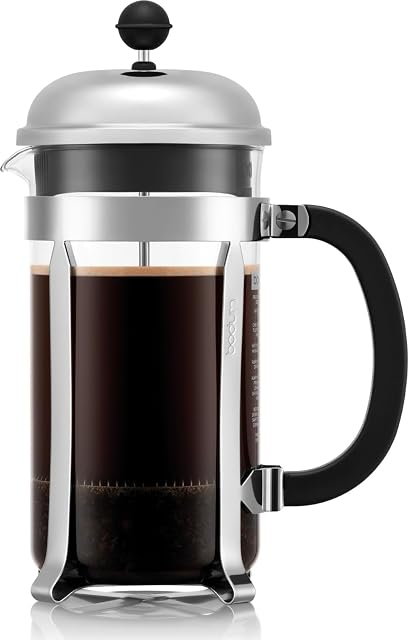
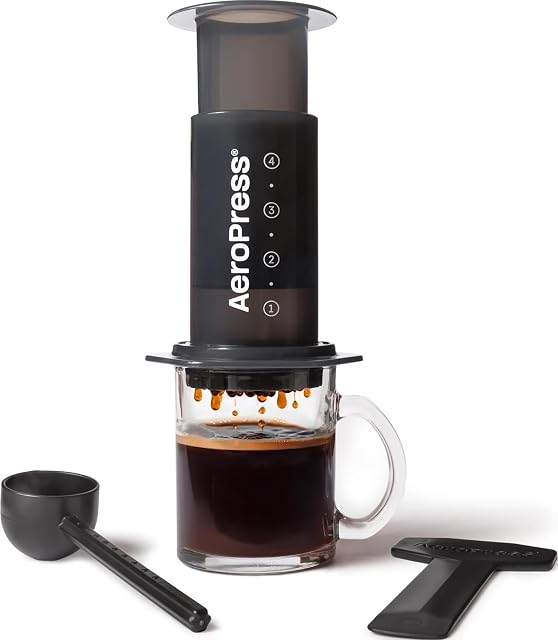
Immersion or filter at medium roast. Naturals suit a French press; washed lots suit a cone.