Skip to content

Kaffa

The forest region that gave coffee its name, where arabica still grows wild. Complex, earthy and genuinely different.

Kaffa is the forested region of south-western Ethiopia where Coffea arabica originated and where it still grows wild. The word coffee almost certainly derives from it.

Forest coffee

A significant share of Kaffa’s production is genuinely wild or semi-forest coffee: trees growing under natural canopy, harvested from the forest rather than from planted rows.

That means enormous genetic diversity within a single lot — dozens of undocumented varieties in the same bag — and a complexity that plantation coffee does not match.

The profile

Earthy and floral at once, with spice and a distinctive herbal quality. Less immediately pretty than Yirgacheffe and more layered.

Quality varies considerably, since forest harvesting and drying are harder to control than washing-station coffee.

Why it matters beyond the cup

Kaffa’s forests are the genetic reservoir for the entire species. Every commercial arabica variety worldwide descends from a tiny sample of this diversity, which is why conservation here has consequences for coffee’s ability to survive climate change and disease.

Brewing it

Filter, light roast. Its complexity rewards a clean brewer.
What you need to make it

The equipment this actually requires — not a shopping list, the shortest route to doing it properly.

  • The reference pour-over Manual brewers

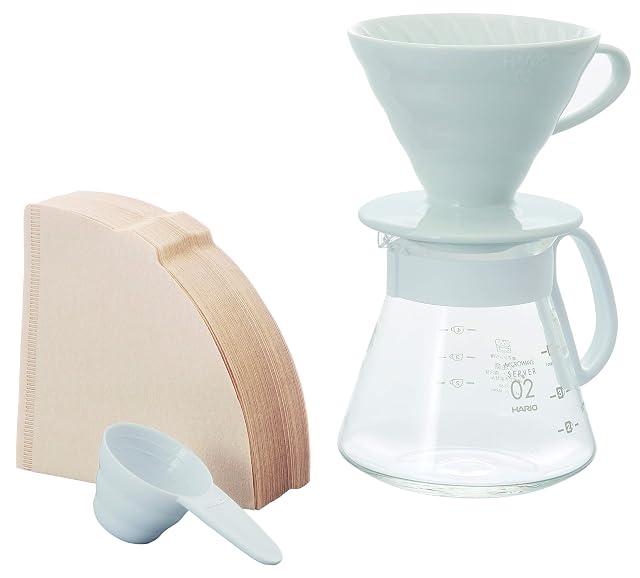
    Hario V60 02 Ceramic

    60° cone · spiral ribs · 1–4 cups

    The most transparent cup you can brew for twenty euros, and the least forgiving. Ceramic holds heat where plastic does not — and the open bottom means your pour, not the dripper, decides the coffee.

    Best for: Someone who wants to taste what a single-origin coffee is actually doing.

    8.2/10

    ≈ $25 / £20 / 22 €

  • Best filter grinder Grinders

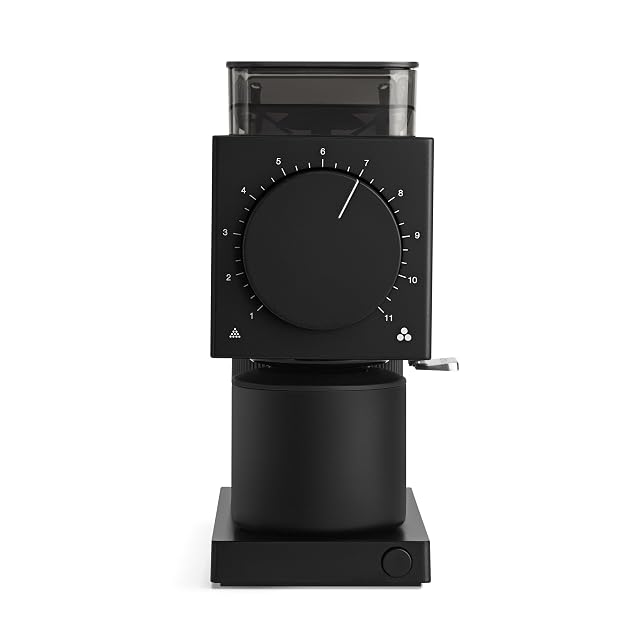
    Fellow Ode Brew Grinder Gen 2

    64 mm flat burr · filter only · single dose

    64 mm flat burrs, near-zero retention and a footprint the size of a mug, built for filter and honest about not doing espresso. For pour-over it is the clearest grind you can buy at this price.

    Best for: V60, Chemex, AeroPress and batch brewing, where clarity is the whole point.

    8.7/10

    ≈ $345 / £275 / 300 €

  • Best pour control Kettles

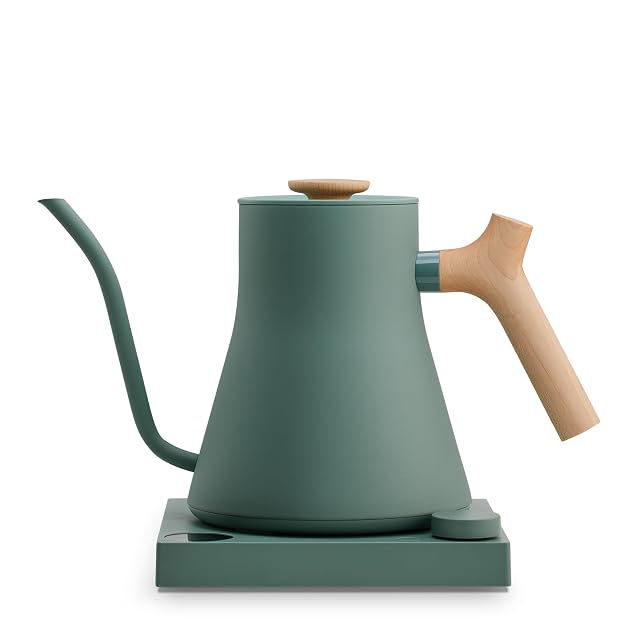
    Fellow Stagg EKG Pro

    0.9 L · ±1 °C hold · counterbalanced gooseneck

    The best-pouring kettle sold, and the hold function matters more than the thermometer. Expensive for boiling water — but if you brew pour-over daily, it is the accessory that most improves the cup.

    Best for: Daily pour-over, where flow rate is the variable you are trying to control.

    8.6/10

    ≈ $195 / £165 / 180 €