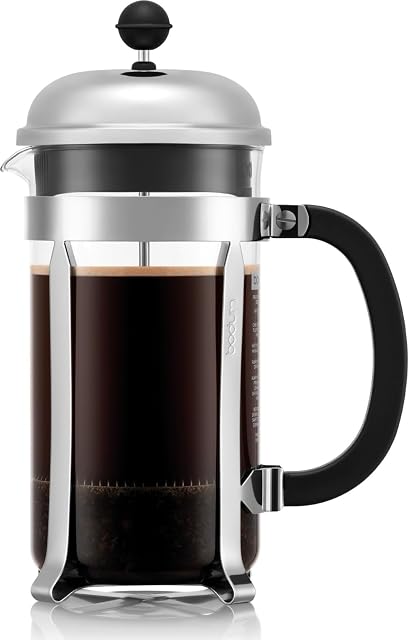
Espresso-roast beans in a French press is a common situation — a bag bought for a machine you no longer have, or a supermarket espresso blend and nothing else in the cabinet.
It works, with adjustments.
Why it needs adjusting
Espresso roasts are developed further, which makes them more soluble and more brittle. At a given grinder setting they produce more fines, and they extract faster.
Brewed like a filter roast, they over-extract and turn bitter.
The adjustments
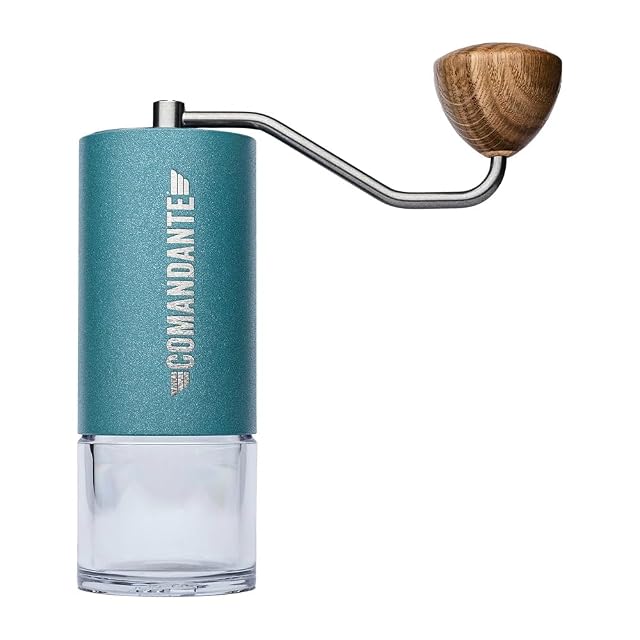
Grind coarser than you would for a light roast — the beans are more brittle and will shatter into more fines at the same setting.
Brew cooler: 88 to 92 °C (190 to 198 °F) rather than 93 to 96 °C (199 to 205 °F). Let the kettle stand for about a minute after boiling. Dark roasts do not need the heat and they punish it.
Steep shorter: three to three and a half minutes rather than four.
Ratio slightly weaker if it comes out heavy — 60 g per liter (about 2 oz per quart) rather than 70.
What you get
Heavy-bodied, chocolatey, low-acidity coffee. Good, and completely unlike what the same beans do under nine bars.
What you do not get
Espresso. No pressure, no crema, no concentration.
Pressing and pouring
Break the crust at four minutes, or at three with a dark roast, skim off the foam and floating grounds with two spoons, then press gently just to the surface of the coffee rather than compressing the bed. Pour it all out at once: coffee left on the grounds keeps extracting and turns bitter. Letting the press rest a few minutes before pouring lets the fines settle and gives a cleaner cup.
Other ways to use the bag
A moka pot suits espresso roasts better than any other stovetop method and gives a strong, concentrated coffee. An AeroPress with a fine grind and a short steep makes a good base for milk drinks. Both are closer to espresso than a French press.