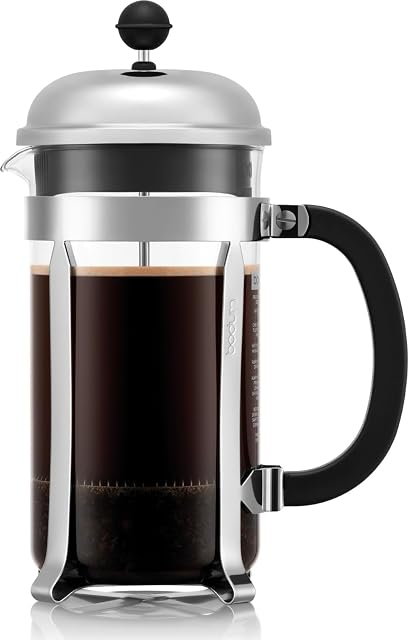
The French press is the most-owned brewer and the most consistently misused, and the fault is almost never the press.
How it works
Coffee steeps in water for four minutes, then a metal mesh separates the grounds. Metal lets oils through — which is where the full, round body comes from, and which paper brewers deliberately remove.
It also lets fine particles through, which is the sediment.
The recipe
- 60 g coffee per litre, coarse
- Water at 93 °C
- Stir once to wet everything
- Steep 4 minutes
- Break the crust, skim the foam off
- Press gently, and stop before the bottom
- Decant immediately
The three habits that fix most complaints
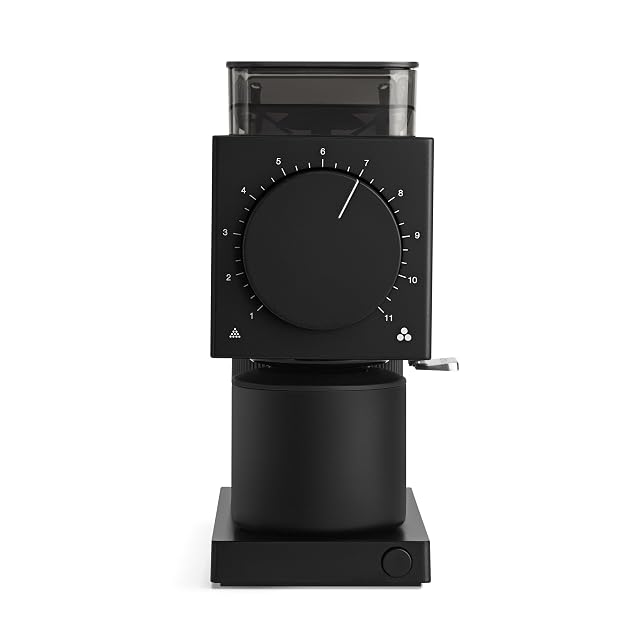
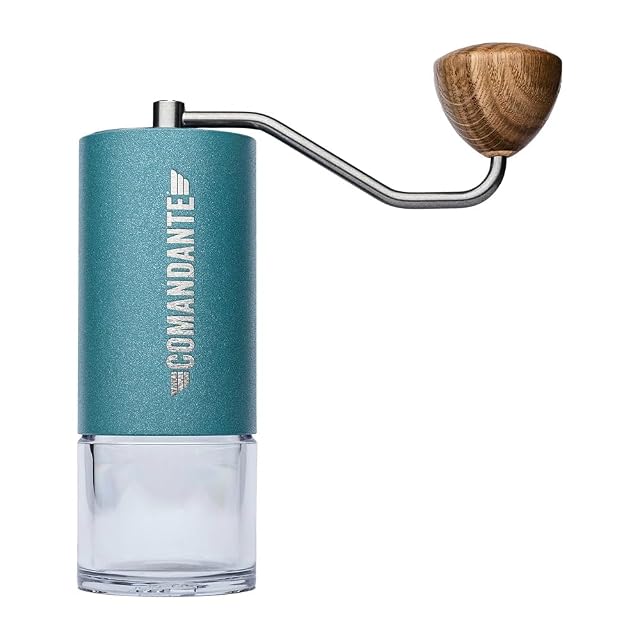
Grind coarse, with a burr grinder. This is the whole answer to gritty, bitter press coffee. Blade grinders produce a mountain of fines and the mesh cannot stop them.
Skim the foam at four minutes rather than stirring it back in. A lot of the bitterness sits there.
Decant immediately. Coffee left on the bed keeps extracting, and the second cup is noticeably harsher than the first.
What it is good for
Dark and medium roasts, where body is the point. Big-bodied Indonesians and chocolatey Brazilians are excellent. Delicate washed Ethiopians get muddied.
Buying one
Get one whose glass beaker is sold as a spare. Beakers break, always at the base, usually during washing, and replacing the glass rather than the press is the difference between a decade of use and a landfill decision.
Questions people actually ask
Why is my French press coffee gritty?
Grind size. A metal mesh cannot hold back fine particles, so every fine your grinder produces ends up in the cup — and blade grinders make a lot of them. Grind coarse with a burr grinder and decant immediately.
Should I press all the way down?
No. Pressing hard forces fines through the mesh and agitates the bed. Better still, break the crust at four minutes, skim the foam, and pour with the plunger barely depressed.