People ask which is better and the question does not have an answer, because the two machines solve different problems. Four questions do have answers.
How many drinks, and by how many people?
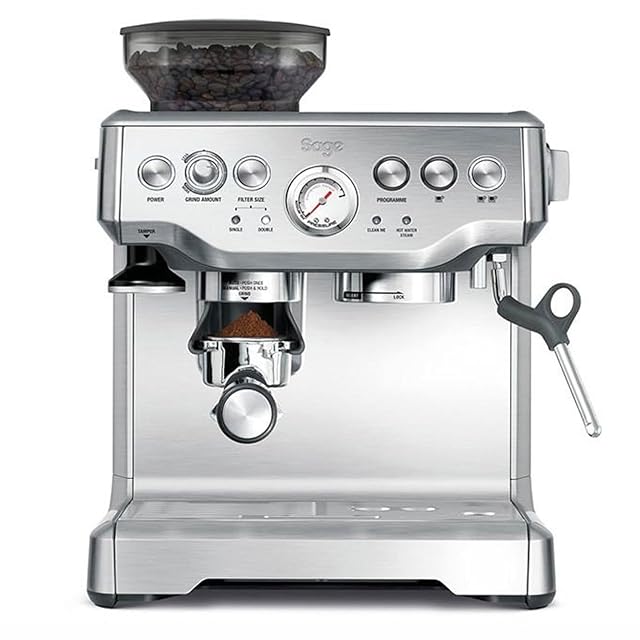
A portafilter machine makes one or two drinks pleasantly and six tediously — single boiler machines make you wait between brewing and steaming. It also expects the person using it to know what they are doing.
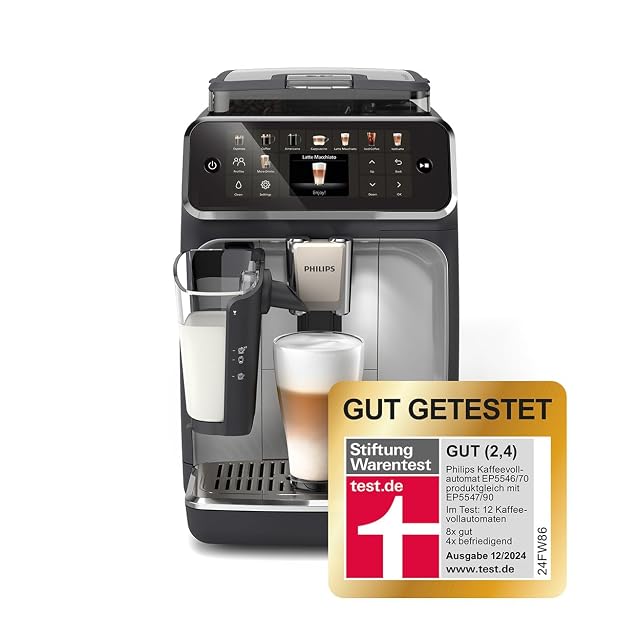
A bean-to-cup makes six drinks as easily as one, and a guest can operate it. If more than two people in the house make their own coffee, that is close to decisive.
How much milk?
If most of what you drink has milk in it, the milk system matters more than the espresso underneath it — milk covers a great deal. That pushes towards a bean-to-cup with a good milk system, or towards a portafilter machine only if you intend to learn to texture milk by hand.
If you drink your coffee black, the espresso is all there is, and a portafilter machine with a decent grinder wins clearly.
How involved do you want to be?
A portafilter machine is a small daily practice: weigh, grind, distribute, tamp, watch, adjust. Some people find that the best part of the morning and some find it an obstacle between them and being awake. Neither is wrong, and knowing which you are will save you several hundred euros.
What happens in year seven?
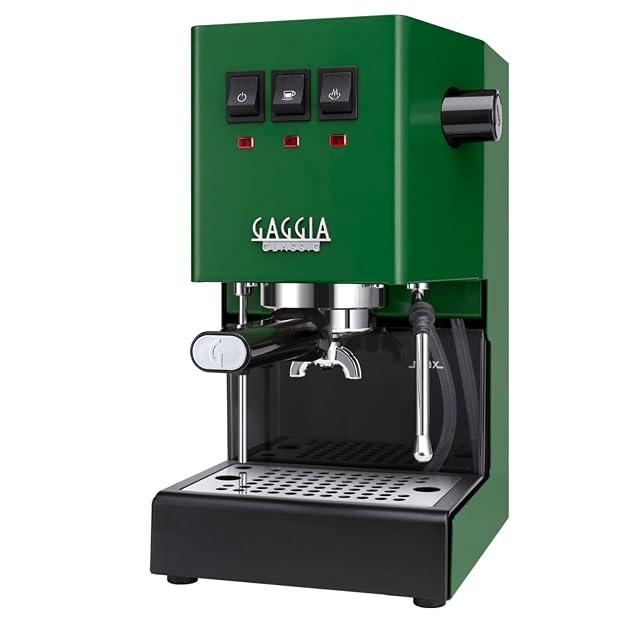
Bean-to-cup machines have more to go wrong — a grinder, a brew unit, a milk system, pumps and valves, all in one sealed box. Portafilter machines are simpler and more repairable, and a fifteen-year-old Gaggia Classic is a normal thing to own.
The short version
Black coffee, one or two drinkers, happy to learn — portafilter machine and a real grinder.
Milk drinks, several people, mornings that need to be quick — bean-to-cup with a milk system you will actually clean.
Questions people actually ask
Which makes better coffee?
A portafilter machine with a good grinder, comfortably — you control dose, grind and yield, and an automatic controls none of them for you. But a portafilter machine with a poor grinder and no interest in learning makes worse coffee than any decent bean-to-cup.
Can a bean-to-cup make a proper flat white?
It can make a very good one. What it cannot make is pourable microfoam, so latte art is out. If the drink matters more than the pattern, an automatic is perfectly capable.
What about a capsule machine?
The right answer when consistency and zero effort outweigh everything, and consumption is low. At one or two cups a day the premium is modest; at four a day it exceeds the cost of a bean-to-cup machine within about two years.
Last reviewed 8 August 2026