There is an order to spending money on coffee, and almost nobody follows it, because shops sell machines and machines photograph well.
1. Fresh beans from a roaster
Free, in the sense that you were buying coffee anyway. Coffee is at its best from about five days to five weeks after roasting, and a supermarket bag with a two-year best-before date tells you nothing about when it was roasted, which usually means many months ago.
Switching from that to a bag with a roast date on it improves the cup more than any equipment purchase you can make.
2. The grinder
Pre-ground coffee loses most of its aromatics within about fifteen minutes. That is the single largest step-change available to you, and it happens the day you buy any burr grinder.
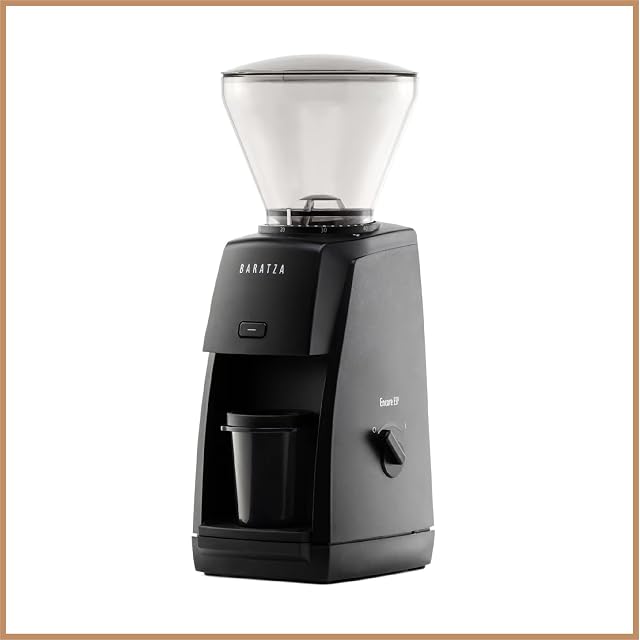
Beyond that, grind consistency is what makes a brew repeatable. Espresso is the demanding case: it needs fine adjustment in a narrow band, and a grinder that cannot deliver it means you are guessing rather than dialling in. This is why we put the grinder ahead of the machine.
3. A scale, and a WDT tool for espresso
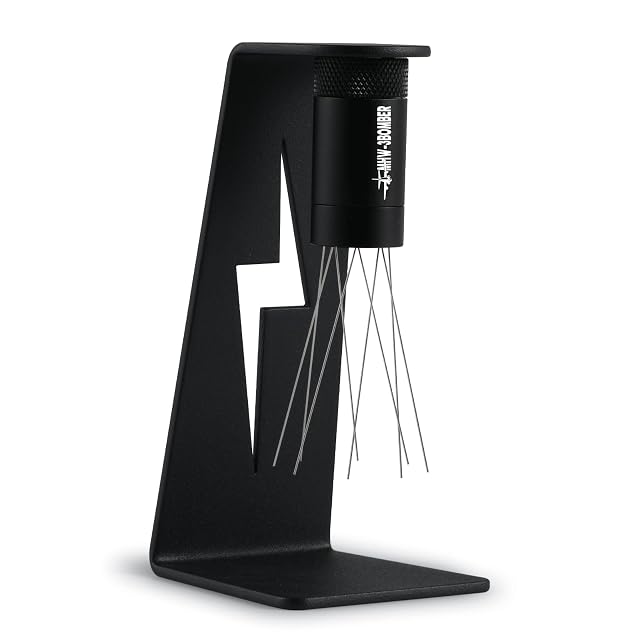
Together under fifty euros, and between them they remove more bad shots than another hundred on the machine would. You cannot repeat what you did not measure, and channelling is the commonest fault in home espresso.
4. The machine
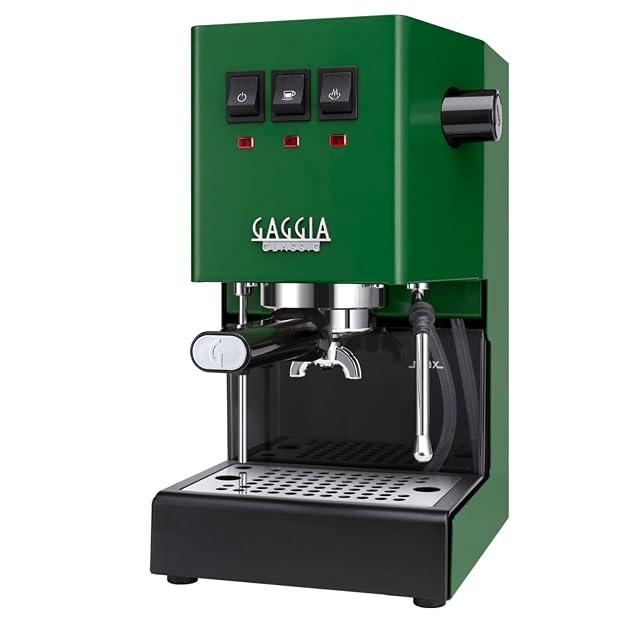
Now. Once the grind is under control, a better machine buys temperature stability, steam power and build — real improvements that you can only use once the earlier items are in place.
5. Water treatment
Around thirty euros a year, and it roughly doubles the life of the machine you just bought on hard water. Boring, and the highest return per euro on this entire list.
What this looks like in practice
At 500 total, the answer is not a 500 machine. It is roughly 250 of machine, 200 of grinder, 50 of scale and puck prep — and that setup beats a 500 machine paired with whatever grinder was left over, every single time.
Questions people actually ask
Really, the grinder before the machine?
Yes, and it is not close. Grind consistency determines whether a shot is repeatable at all; the machine determines how good a repeatable shot can be. A 400 machine with a 400 grinder beats a 700 machine with a 100 grinder every time.
How much should I spend in total to start with espresso?
Around 400 to 600 across machine and grinder is where espresso stops being frustrating. Below roughly 250 total, the grinder cannot resolve finely enough and you spend your time fighting the equipment rather than learning.
Where do accessories fit?
Earlier than people expect. A scale and a WDT tool together cost under 50 and change more than another 100 on the machine would. They are the cheapest items on the list and the second most useful.
Last reviewed 8 August 2026