Skip to content

Sage Barista Express vs Gaggia Classic Evo Pro

One box that works today, or a machine you keep for fifteen years?

These are the two default first espresso machines and they answer opposite questions. The Sage is a complete setup at a price that undercuts buying the parts. The Gaggia is a bare machine that opens the entire 58 mm accessory market and can be serviced indefinitely.

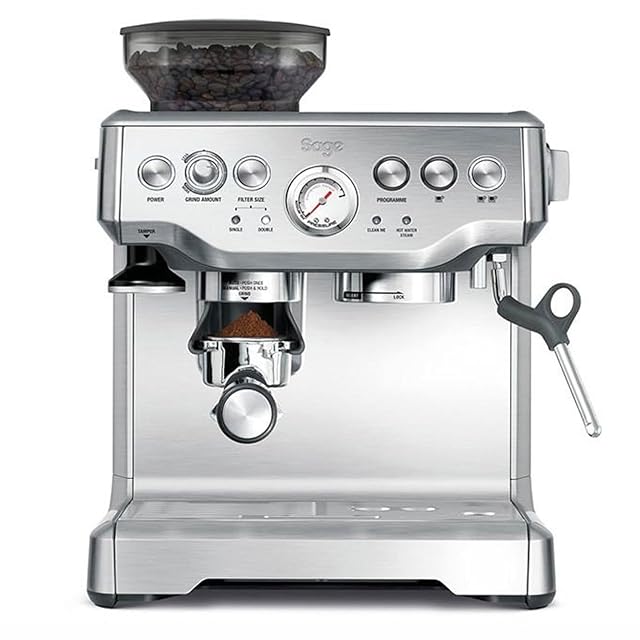
Sage Barista Express espresso machine with integrated grinder

Sage Barista Express

8.6/10

Wins 3 of 6

Check price

≈ $700 / £550 / 600 €

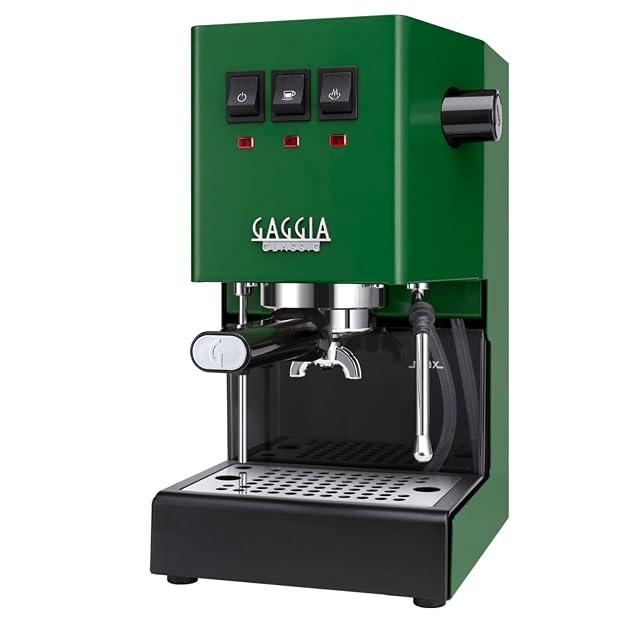
Gaggia Classic Evo Pro espresso machine in stainless steel

Gaggia Classic Evo Pro

8.5/10

Wins 3 of 6

Check price

≈ $500 / £400 / 450 €

Line by line

Compared on Barista Express Classic Evo Pro
Grinder included Yes, integrated conical No — budget separately
Portafilter 54 mm, Sage-only accessories 58 mm commercial standard
Ready from cold Under a minute Several minutes, then a flush
Serviceability Good, Sage parts Excellent — documented, cheap, forever
Total cost to a working setup One purchase Machine plus a real grinder
Ceiling The built-in grinder Whatever grinder you pair it with

A tick marks the better answer on that line only. Counting ticks does not decide the page — the two verdicts below do, because these machines answer different questions.

Which one, for whom

Buy the Barista Express

Buy the Barista Express if you want one purchase, one box and coffee this weekend. It is the fastest route from nothing to a decent flat white, and most owners keep the machine and upgrade the grinder later.

Buy the Classic Evo Pro

Buy the Gaggia Classic if you already own a grinder or will buy one, and if you expect to still be making espresso in ten years. It costs more to reach a working setup and it is the only one of the two that never becomes the limitation.

Questions people actually ask

Can I add a better grinder to the Barista Express later?

Yes, and most people do. The machine accepts pre-ground coffee in the portafilter perfectly well, so a separate grinder is a straightforward upgrade — you simply stop using the built-in one. That is the usual path and it is a perfectly good outcome.

Is 58 mm really worth choosing a machine for?

Over a decade, yes. It is the commercial standard, so every precision basket, bottomless portafilter, calibrated tamper and puck screen made in thirty years fits. Sage’s 54 mm has a real but much smaller market, and De’Longhi’s 51 mm smaller still.

The full reviews

  • Best way to start espresso Espresso machines

    Sage Barista Express

    54 mm portafilter · built-in conical burr · 2 L tank

    Machine and grinder in one box, at a price that undercuts buying them separately. The compromises are real — 54 mm basket, single boiler, a grinder you will outgrow — but nothing else takes a beginner this far this cheaply.

    Best for: Your first portafilter machine, if you want one purchase rather than a project.

    8.6/10

    ≈ $700 / £550 / 600 €

  • Best machine to keep Espresso machines

    Gaggia Classic Evo Pro

    58 mm commercial portafilter · 3-way solenoid · steel body

    A 58 mm commercial portafilter, a steel body and a three-way solenoid, in a machine cheap enough to modify. Nothing else at this price is still worth owning in fifteen years, and nothing else has this much of an aftermarket.

    Best for: Someone who wants one espresso machine for the next fifteen years and does not mind learning it.

    8.5/10

    ≈ $500 / £400 / 450 €