Skip to content

CO₂ decaf

Caffeine extracted with pressurised carbon dioxide. Highly selective, excellent flavour retention, and only economic at scale.

CO₂ decaffeination uses carbon dioxide held above its critical point, where it behaves as both a liquid and a gas.

How it works

Moistened green coffee is placed in a pressure vessel and supercritical CO₂ is circulated through it at very high pressure. The CO₂ selectively dissolves caffeine while leaving most larger flavour molecules behind.

The caffeine is then separated and the CO₂ recycled.

Why it works well

Selectivity. CO₂ is unusually good at targeting caffeine specifically, so flavour retention is excellent — arguably the best of the commercial methods.

No solvent residue. The CO₂ simply evaporates.

The limitation

Cost. The pressure vessels are expensive and only economic at industrial scale, which is why CO₂ decaf tends to appear in large-volume commercial coffee rather than in small specialty lots.

What to look for

Bags rarely specify. If a decaf is from a specialty roaster it is most likely Swiss Water or EA; if it is a supermarket brand it may well be CO₂ or a solvent method.

Brewing it

Grind coarser and re-dial.
What you need to make it

The equipment this actually requires — not a shopping list, the shortest route to doing it properly.

  • The reference pour-over Manual brewers

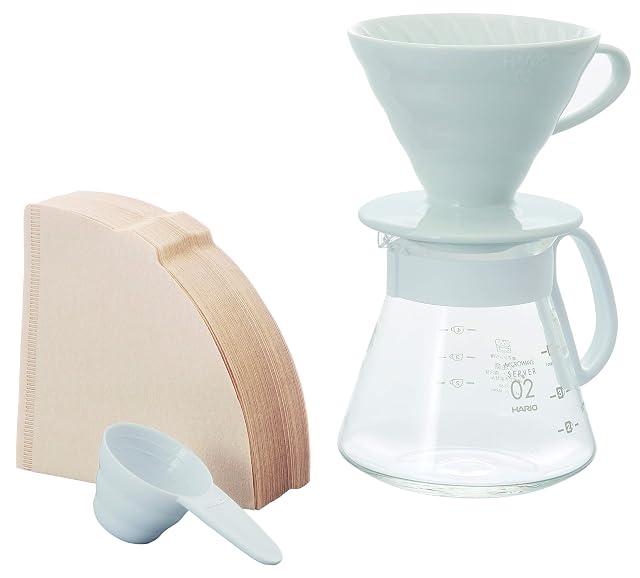
    Hario V60 02 Ceramic

    60° cone · spiral ribs · 1–4 cups

    The most transparent cup you can brew for twenty euros, and the least forgiving. Ceramic holds heat where plastic does not — and the open bottom means your pour, not the dripper, decides the coffee.

    Best for: Someone who wants to taste what a single-origin coffee is actually doing.

    8.2/10

    ≈ $25 / £20 / 22 €

  • Best filter grinder Grinders

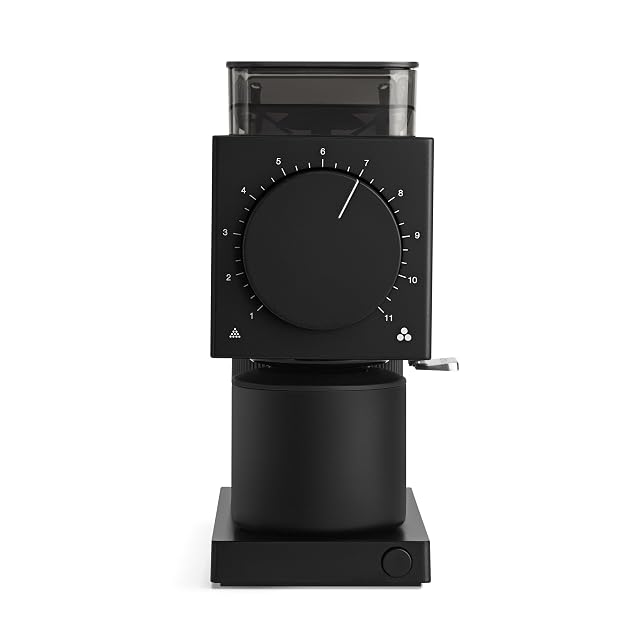
    Fellow Ode Brew Grinder Gen 2

    64 mm flat burr · filter only · single dose

    64 mm flat burrs, near-zero retention and a footprint the size of a mug, built for filter and honest about not doing espresso. For pour-over it is the clearest grind you can buy at this price.

    Best for: V60, Chemex, AeroPress and batch brewing, where clarity is the whole point.

    8.7/10

    ≈ $345 / £275 / 300 €

  • Best pour control Kettles

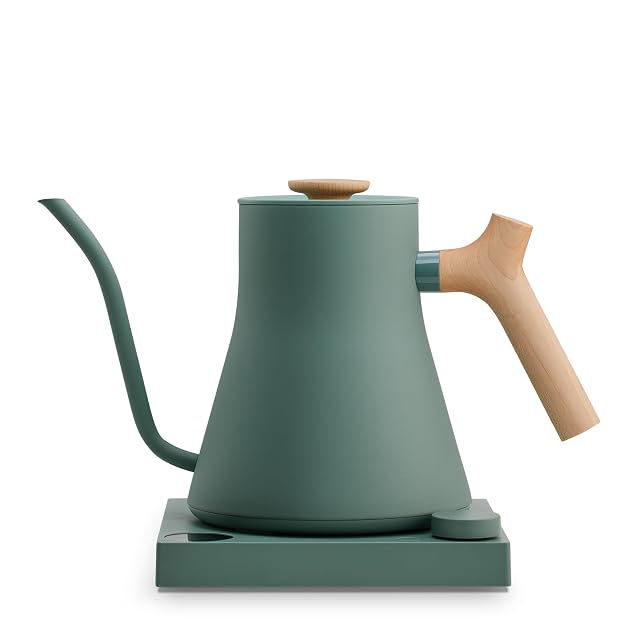
    Fellow Stagg EKG Pro

    0.9 L · ±1 °C hold · counterbalanced gooseneck

    The best-pouring kettle sold, and the hold function matters more than the thermometer. Expensive for boiling water — but if you brew pour-over daily, it is the accessory that most improves the cup.

    Best for: Daily pour-over, where flow rate is the variable you are trying to control.

    8.6/10

    ≈ $195 / £165 / 180 €