Skip to content

Swiss Water decaf

Caffeine removed with water and activated carbon, no chemical solvents. The method specialty roasters use, and it preserves flavour well.

The Swiss Water process removes caffeine using only water, temperature and activated carbon filters.

How it works

Green coffee is soaked in water, which dissolves caffeine and the flavour compounds. That water is passed through carbon filters sized to trap caffeine molecules while letting flavour compounds through.

The result is green coffee extract saturated with flavour but free of caffeine. New batches of coffee are then soaked in that extract — so caffeine leaves the bean by diffusion, while flavour compounds have nowhere to go because the surrounding liquid is already saturated with them.

Why it matters

It removes around 99.9 per cent of the caffeine while retaining far more flavour than early solvent methods, and it uses no chemical solvents at all.

That makes it compatible with organic certification and the default for specialty decaf.

The alternatives

Mountain Water works on the same principle. CO2 processes use pressurised carbon dioxide. Solvent methods (ethyl acetate, methylene chloride) remain common commercially and are less gentle.

Brewing it

Grind a step coarser — decaffeinated beans are more brittle and extract faster.
What you need to make it

The equipment this actually requires — not a shopping list, the shortest route to doing it properly.

  • The reference pour-over Manual brewers

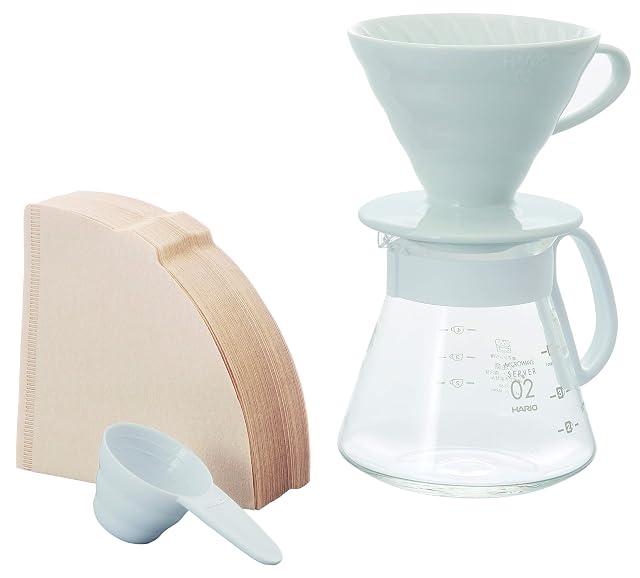
    Hario V60 02 Ceramic

    60° cone · spiral ribs · 1–4 cups

    The most transparent cup you can brew for twenty euros, and the least forgiving. Ceramic holds heat where plastic does not — and the open bottom means your pour, not the dripper, decides the coffee.

    Best for: Someone who wants to taste what a single-origin coffee is actually doing.

    8.2/10

    ≈ $25 / £20 / 22 €

  • Best filter grinder Grinders

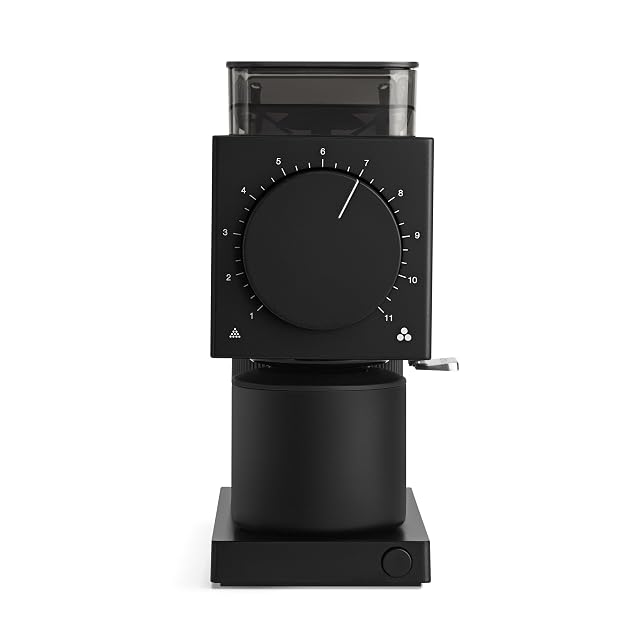
    Fellow Ode Brew Grinder Gen 2

    64 mm flat burr · filter only · single dose

    64 mm flat burrs, near-zero retention and a footprint the size of a mug, built for filter and honest about not doing espresso. For pour-over it is the clearest grind you can buy at this price.

    Best for: V60, Chemex, AeroPress and batch brewing, where clarity is the whole point.

    8.7/10

    ≈ $345 / £275 / 300 €

  • Best pour control Kettles

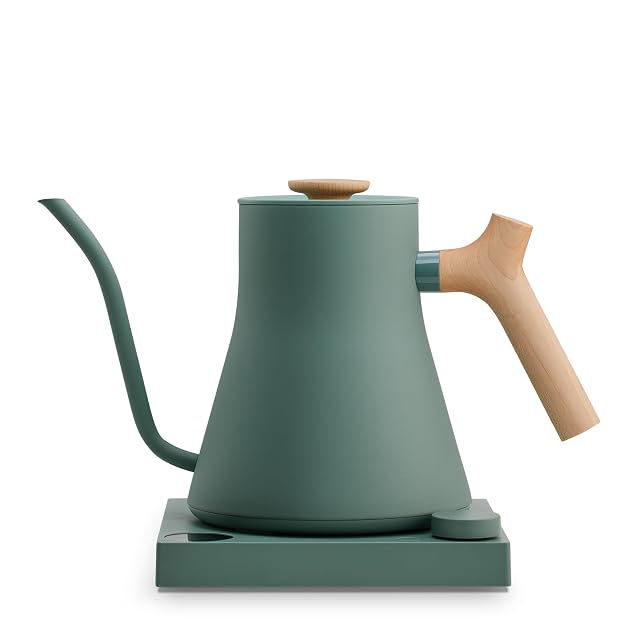
    Fellow Stagg EKG Pro

    0.9 L · ±1 °C hold · counterbalanced gooseneck

    The best-pouring kettle sold, and the hold function matters more than the thermometer. Expensive for boiling water — but if you brew pour-over daily, it is the accessory that most improves the cup.

    Best for: Daily pour-over, where flow rate is the variable you are trying to control.

    8.6/10

    ≈ $195 / £165 / 180 €