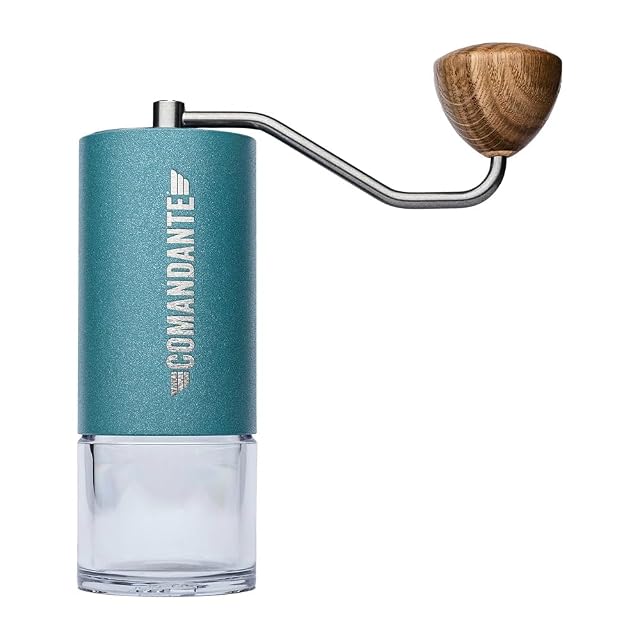
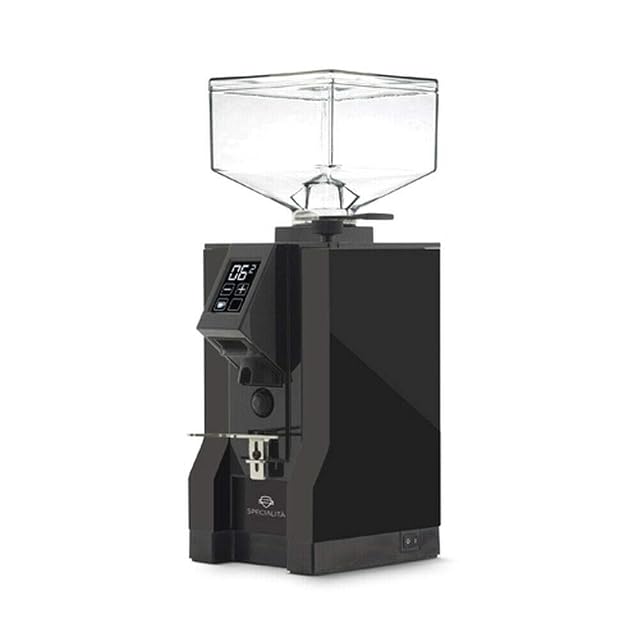
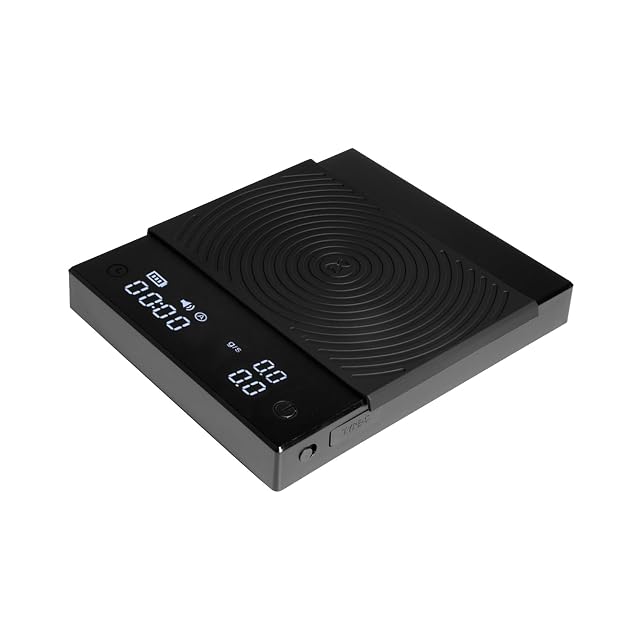
Single dosing means weighing each dose of beans and grinding exactly that, rather than keeping a hopper full and dispensing by time.
Why it is better
Freshness. Beans in an open hopper stale within days. Beans in a sealed bag or valved canister keep for weeks.
Flexibility. You can switch between coffees shot by shot without purging a hopper.
Accuracy. Weight in, weight out, every time. Timed dosing drifts as the hopper empties and as beans change.
The two problems
Retention. Grounds left inside the grinder from the previous dose come out with the next one. On a grinder not designed for it, this can be several grams — enough to ruin the ratio and mix two coffees.
Static. A small dose of beans dropped into a large grinder generates static, and grounds cling to the chute and spray from the exit.
The fixes
RDT — the Ross Droplet Technique. One or two drops of water stirred into the beans before grinding. It eliminates static almost entirely and costs nothing.
A bellows or a puff of air through the grinder after the dose pushes the retained grounds out.
Grind-by-weight to zero. Weigh the beans, and weigh what comes out. The difference is your retention, and it should be under 0.5 g on a grinder built for this.
Which grinders suit it
Anything with a short, steep path from burrs to exit, and a hopper that detaches. Flat burrs generally retain more than conical and benefit more from bellows.