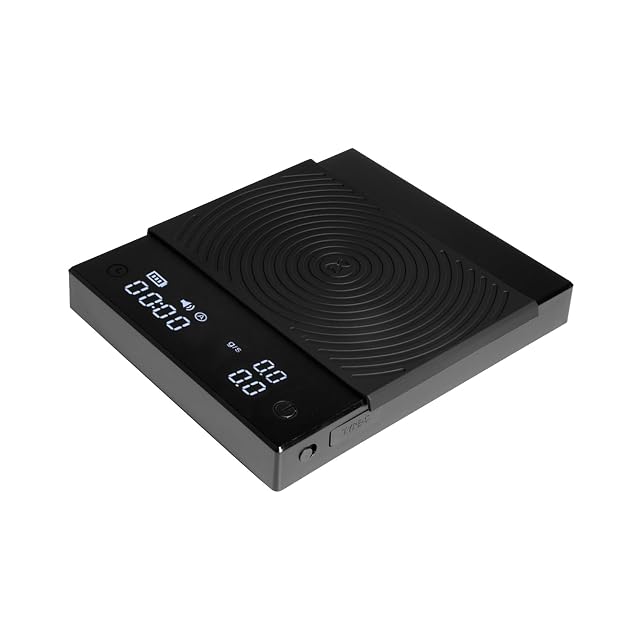
A ristretto is an espresso restricted — the same dose of coffee, less water passed through it. Typically 18 g yielding 25 to 27 grams rather than 36.
Why it is not just a small espresso
Stopping an espresso early gives you the first two-thirds of a normal shot, which is a different thing. A ristretto is dialled for its length: usually a step finer, so the full extraction happens within the shorter yield rather than being interrupted.
What it tastes like
Sweeter, thicker, more syrupy. Coffee gives up its compounds in a rough order — acids first, then sugars, then the dry and bitter compounds last. A shorter shot never reaches the last group, so what you get is the sweet middle without the harsh tail.
Less caffeine, too, since less water passed through the coffee.
Where it is used
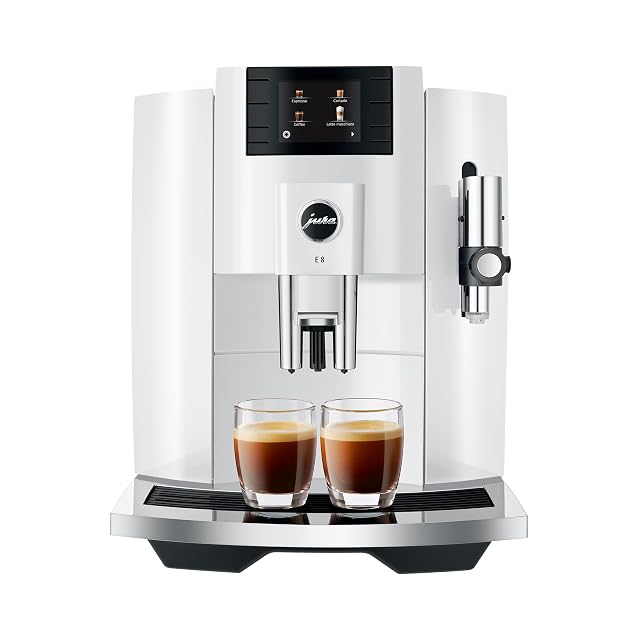
It is the default in much of Italy, and it is what many bean-to-cup machines make when set to their smallest volume. JURA’s Pulse Extraction exists specifically to improve this drink, delivering water in pulses so that contact time lengthens without the shot lengthening.
Making one at home
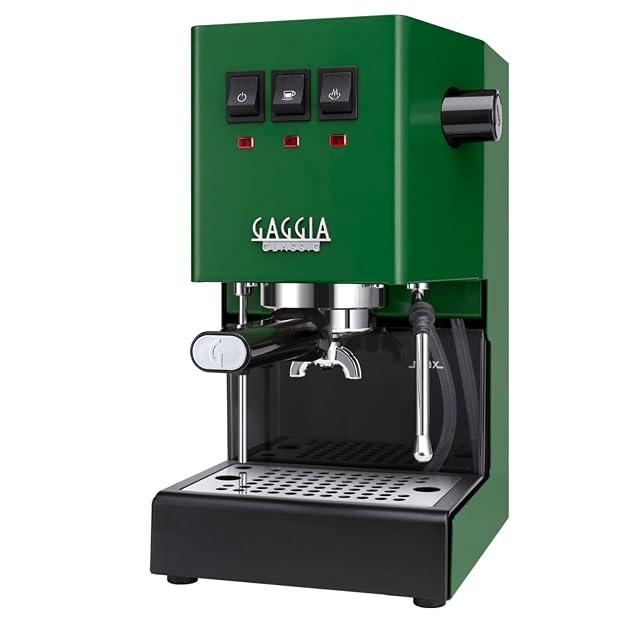
Start from a dialled-in espresso, grind one step finer, and stop at around 1:1.5. If it tastes thin rather than syrupy, you have simply cut a normal shot short — go finer still.
Ristretto is also the right base for a flat white or a cortado, where a small volume of very concentrated coffee has to hold its own against milk.
Questions people actually ask
Is a ristretto just a smaller espresso?
No. Stopping an espresso halfway gives you the first half of a shot; a ristretto is dialled deliberately — usually a slightly finer grind — so the whole extraction happens in less water. The difference is real.
Why does it taste sweeter?
Sugars dissolve earlier in an extraction than the harsh compounds. Cutting the shot short keeps the sweetness and leaves the bitterness in the puck.