Skip to content

Pacamara

A 1958 El Salvadoran cross of Pacas and Maragogype. Enormous beans, and a wildly variable cup that can be extraordinary.

Pacamara was created in El Salvador in 1958 by crossing Pacas — a Bourbon dwarf mutation — with Maragogype, the giant-bean Typica mutation.

The beans

Visibly enormous, larger than any other common variety, and the first thing you notice opening a bag.

That size matters practically: large beans roast differently, with a greater risk of the outside developing faster than the inside, so roasters adjust their profiles for them.

The cup

At its best: complex and unusual, with tropical and stone fruit, herbal and savoury notes, chocolate, and a heavy syrupy body. It regularly wins Cup of Excellence competitions in Central America.

At its worst: vegetal, thin and unremarkable.

Why it varies so much

Pacamara is genetically unstable. Plantings do not breed true in the way established varieties do, so trees within a lot can differ noticeably.

That instability is why the variety produces both the extraordinary and the ordinary, sometimes from the same farm. It also means a Pacamara that impressed you once may not repeat.

Where it grows

El Salvador principally, plus Guatemala, Honduras and Nicaragua. It needs high altitude to express itself; grown low it is unremarkable.

Brewing it

Filter, light to medium roast. Its complexity rewards a clean brewer, and its body means it also works in an immersion.

Because the beans are so large, they can behave unexpectedly in a grinder — expect to adjust from your usual setting, sometimes by more than you would think.
Questions people actually ask

Why are Pacamara beans so big?

It inherits size from Maragogype, itself a giant-bean mutation of Typica. The beans are visibly larger than any other common variety, which affects roasting — they need adjusted profiles to develop evenly.

Why is it so inconsistent?

It is genetically unstable, so plantings can vary considerably from tree to tree. That variability produces both spectacular competition lots and disappointing ordinary ones.

What you need to make it

The equipment this actually requires — not a shopping list, the shortest route to doing it properly.

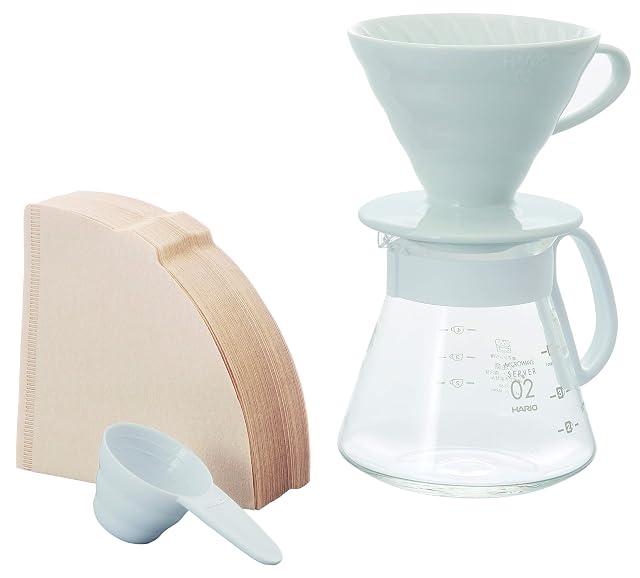
  • The reference pour-over Manual brewers

    Hario V60 02 Ceramic

    60° cone · spiral ribs · 1–4 cups

    The most transparent cup you can brew for twenty euros, and the least forgiving. Ceramic holds heat where plastic does not — and the open bottom means your pour, not the dripper, decides the coffee.

    Best for: Someone who wants to taste what a single-origin coffee is actually doing.

    8.2/10

    ≈ $25 / £20 / 22 €

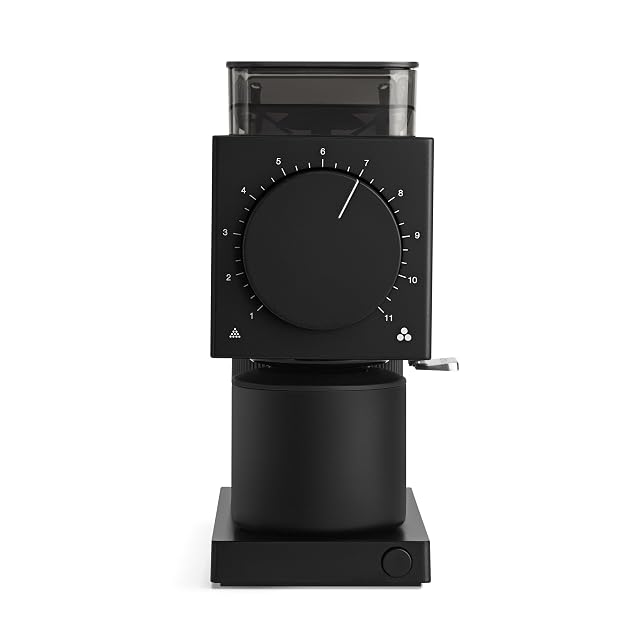
  • Best filter grinder Grinders

    Fellow Ode Brew Grinder Gen 2

    64 mm flat burr · filter only · single dose

    64 mm flat burrs, near-zero retention and a footprint the size of a mug, built for filter and honest about not doing espresso. For pour-over it is the clearest grind you can buy at this price.

    Best for: V60, Chemex, AeroPress and batch brewing, where clarity is the whole point.

    8.7/10

    ≈ $345 / £275 / 300 €

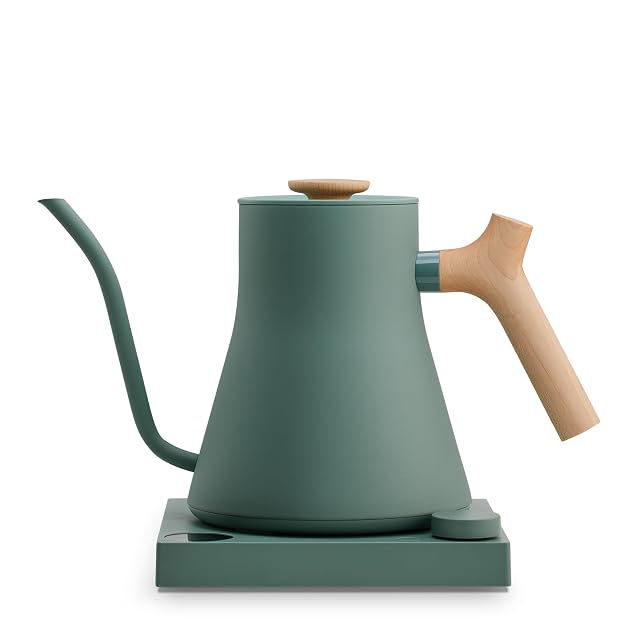
  • Best pour control Kettles

    Fellow Stagg EKG Pro

    0.9 L · ±1 °C hold · counterbalanced gooseneck

    The best-pouring kettle sold, and the hold function matters more than the thermometer. Expensive for boiling water — but if you brew pour-over daily, it is the accessory that most improves the cup.

    Best for: Daily pour-over, where flow rate is the variable you are trying to control.

    8.6/10

    ≈ $195 / £165 / 180 €