Skip to content

Geisha

A low-yielding Ethiopian variety that became the most expensive coffee in the world after winning in Panama in 2004. Jasmine, bergamot and tea.

Geisha — properly Gesha — is a variety collected in the 1930s from the Gori Gesha forest in south-western Ethiopia, distributed through research stations, and largely ignored for seventy years because it yields poorly and grows awkwardly.

The 2004 moment

Hacienda La Esmeralda in Boquete, Panama, had Geisha planted on a high, cool section of the farm nobody expected much from. Separated and entered into the Best of Panama competition in 2004, it scored far above anything else and sold for a record price.

Prices have climbed ever since. Individual lots have exceeded a thousand dollars a pound at auction.

What it tastes like

Intensely floral and tea-like: jasmine, bergamot, orange blossom, peach, with a delicate body and a long, clean finish. The comparison to Earl Grey is made constantly because it is accurate.

At its best it does not taste like most people’s idea of coffee at all.

Why it is expensive

Low yield. Geisha trees produce considerably less than Caturra or Catuai on the same land.

Demanding to grow. It needs high altitude and specific conditions to express the profile at all — Geisha grown low tastes ordinary.

Enormous demand against tiny supply, plus the reputation effect.

The honest caveat

The name now sells coffee on its own. A great deal of Geisha on the market is grown in unsuitable conditions or roasted badly, and tastes like a moderately nice coffee at an extraordinary price.

Brewing it

Filter, very light roast, clean brewer. Grind fine, brew hot, and use good water — at this price it is worth removing every other variable.
Questions people actually ask

Is Geisha related to Japan?

No. The name is a transliteration of Gesha, a place in south-western Ethiopia. The Japanese spelling stuck by accident and has caused confusion ever since.

Is it worth the money?

A well-grown, well-roasted Geisha is genuinely extraordinary — floral and tea-like in a way little else achieves. Whether that justifies ten or fifty times the price of an excellent Ethiopian is a personal question, and much Geisha sold at a premium is unremarkable.

What you need to make it

The equipment this actually requires — not a shopping list, the shortest route to doing it properly.

  • The reference pour-over Manual brewers

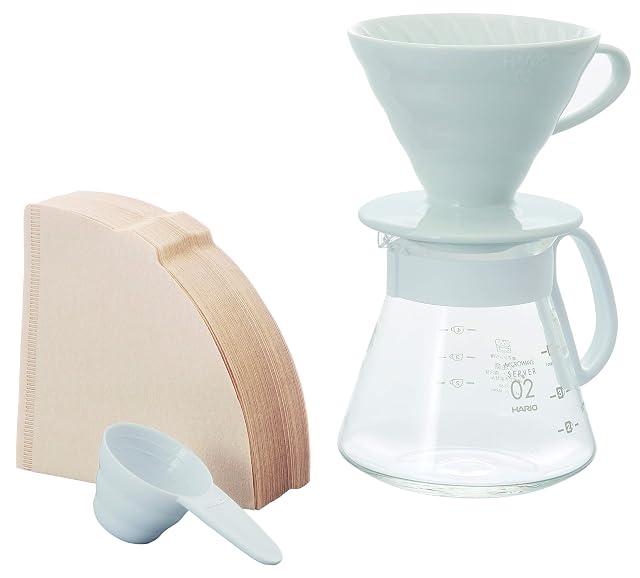
    Hario V60 02 Ceramic

    60° cone · spiral ribs · 1–4 cups

    The most transparent cup you can brew for twenty euros, and the least forgiving. Ceramic holds heat where plastic does not — and the open bottom means your pour, not the dripper, decides the coffee.

    Best for: Someone who wants to taste what a single-origin coffee is actually doing.

    8.2/10

    ≈ $25 / £20 / 22 €

  • Best filter grinder Grinders

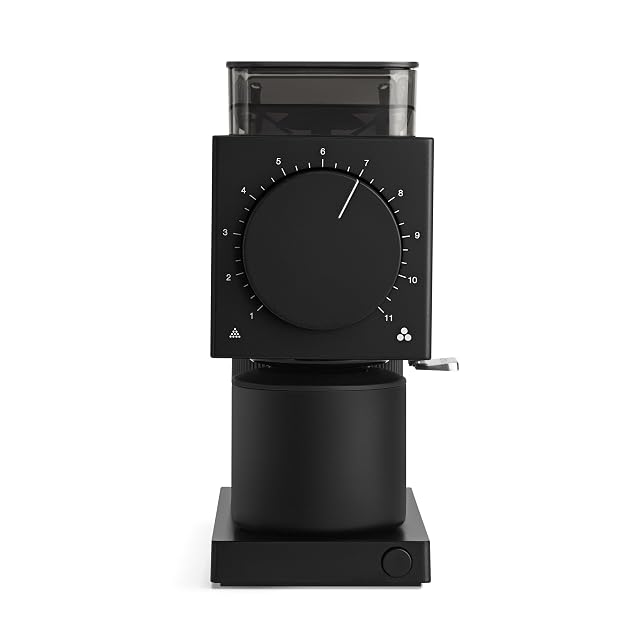
    Fellow Ode Brew Grinder Gen 2

    64 mm flat burr · filter only · single dose

    64 mm flat burrs, near-zero retention and a footprint the size of a mug, built for filter and honest about not doing espresso. For pour-over it is the clearest grind you can buy at this price.

    Best for: V60, Chemex, AeroPress and batch brewing, where clarity is the whole point.

    8.7/10

    ≈ $345 / £275 / 300 €

  • Best pour control Kettles

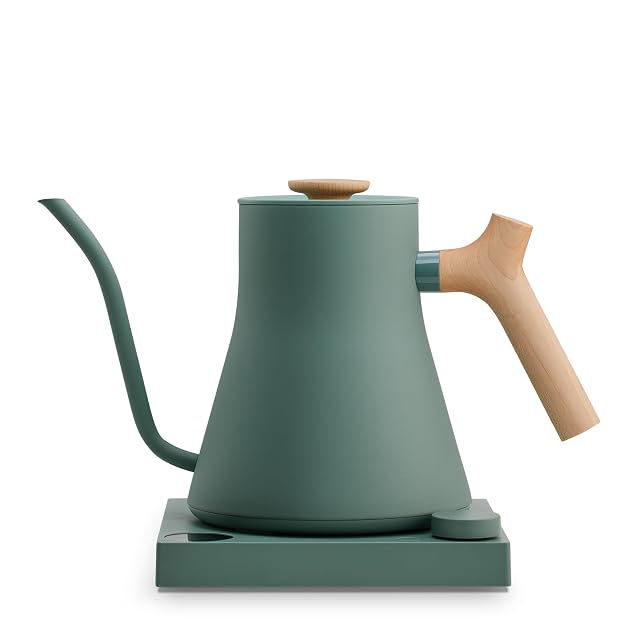
    Fellow Stagg EKG Pro

    0.9 L · ±1 °C hold · counterbalanced gooseneck

    The best-pouring kettle sold, and the hold function matters more than the thermometer. Expensive for boiling water — but if you brew pour-over daily, it is the accessory that most improves the cup.

    Best for: Daily pour-over, where flow rate is the variable you are trying to control.

    8.6/10

    ≈ $195 / £165 / 180 €