Skip to content

Espresso tonic

Espresso poured over tonic and ice. Bitter, citric and effervescent — a Scandinavian invention that works better than it sounds.

Espresso tonic is a shot of espresso poured over tonic water and ice. It emerged from Scandinavian specialty cafés around 2007 and is now on menus worldwide.

Why it works

Tonic water’s quinine bitterness and citrus acidity meet coffee’s own acidity rather than fighting it. The carbonation lifts aromatics off the surface, so the drink smells strongly of the coffee.

It works best with bright, fruity, light-roast coffee — a washed Ethiopian or a Kenyan. A dark chocolatey espresso clashes badly.

Making one

Fill a tall glass with ice. Add 150 to 200 ml of cold tonic water. Pull a single or double espresso and pour it gently over the back of a spoon so it layers on top.

Serve unstirred so the layers are visible, and let the drinker mix.

Chill the espresso if you can — pouring hot espresso onto ice melts it and dilutes the drink.

Variations

A slice of orange or grapefruit is common. Some cafés use a flavoured tonic; most do not.

The failure mode

Too much tonic, and it tastes of tonic. Aim for roughly 1:4 espresso to tonic and adjust.
What you need to make it

The equipment this actually requires — not a shopping list, the shortest route to doing it properly.

  • Best machine to keep Espresso machines

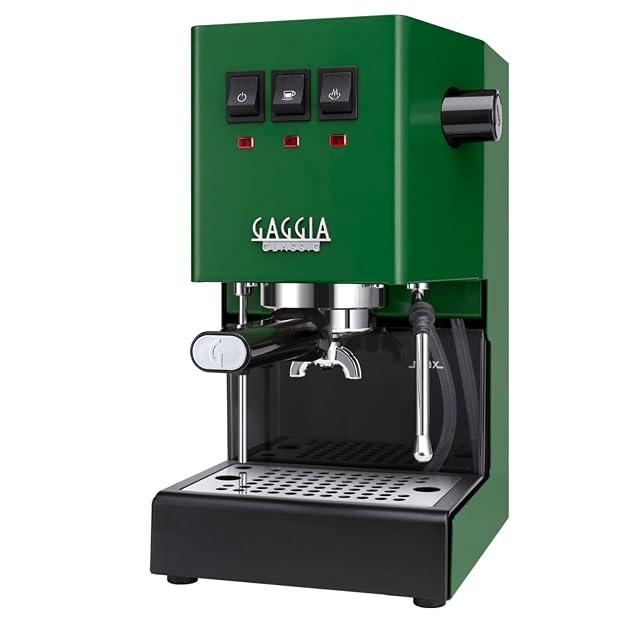
    Gaggia Classic Evo Pro

    58 mm commercial portafilter · 3-way solenoid · steel body

    A 58 mm commercial portafilter, a steel body and a three-way solenoid, in a machine cheap enough to modify. Nothing else at this price is still worth owning in fifteen years, and nothing else has this much of an aftermarket.

    Best for: Someone who wants one espresso machine for the next fifteen years and does not mind learning it.

    8.5/10

    ≈ $500 / £400 / 450 €

  • Bodum Pavina double-wall glasses
    Best value glassware

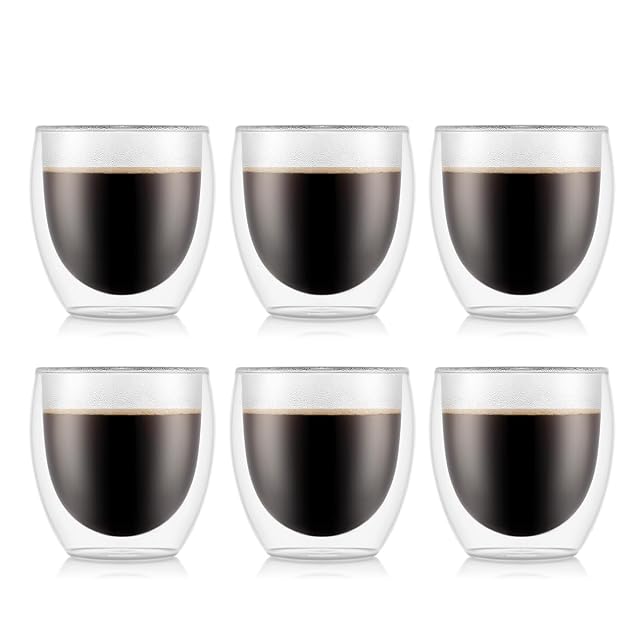
    Bodum Pavina Double-Wall Glasses

    Double-walled borosilicate that keeps a drink hot and the outside cool, and shows the layers of a latte. Cheap enough to replace when one inevitably goes.

    Material
    Borosilicate, double wall
    Sizes
    80 to 450 ml
    Dishwasher
    Yes
    • Double wall keeps drinks hot far longer than a single-wall glass
    • Shows the layers, which matters for a cortado or a latte macchiato
    • Thin borosilicate; they break if knocked against a tap

    Best for: Espresso-based milk drinks, and anyone who likes seeing them.

    8.2/10 ≈ $35 / £28 / 30 €
    Check price on Amazon