Espresso is coffee brewed by forcing hot water through finely ground, compacted coffee at around nine bars of pressure. Everything about it follows from that pressure: the fine grind, the short time, the concentration, and the crema.
The modern recipe
Eighteen grams of coffee in a double basket, producing thirty-six grams of liquid espresso, in twenty-five to thirty-two seconds. That is a 1:2 ratio, and it is the starting point for almost any coffee.
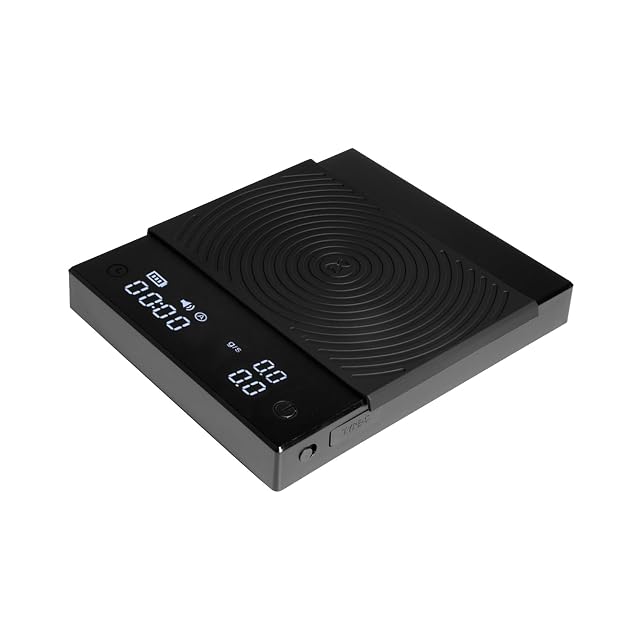
Weigh both numbers. Crema is foam and its volume varies enormously, so a shot judged by eye is not repeatable.
What makes it different from other coffee
Pressure. Nine bars extracts compounds that gravity cannot, including the oils that give espresso its body and the dissolved CO₂ that forms crema.
Concentration. Espresso is roughly eight to ten per cent dissolved solids against filter coffee’s one and a half. That is why it is served in 60 to 90 ml rather than a mug.
The Italian tradition and the modern one
Traditional Italian espresso is shorter and lower-dosed — often 7 g yielding 25 ml — and built on darker roasts with some robusta for crema and body. Modern specialty espresso is larger, lighter-roasted and dosed higher.
Both are espresso. If you order one in Naples and one in Oslo you will get two different drinks, and both will be correct.
Where it goes wrong
Sour means under-extracted: grind finer. Bitter means over-extracted: grind coarser. Sour and bitter at once means channelling, and no grind setting fixes that — stir the bed before tamping.
Questions people actually ask
Is a double espresso two shots?
It is one shot pulled through a double basket — around 18 g of coffee yielding 36 g of espresso. A “doppio” in Italy is the same thing. Two separate single shots is a different and less common thing.
Why is mine so much bigger than in Italy?
Italian espresso is typically 25 to 30 ml from a lower dose. The modern specialty standard is a larger double. Neither is wrong; they are different traditions.