The Nordic countries drink more coffee per head than anywhere else — Finland first, then Norway, Iceland, Denmark and Sweden — and the everyday form is brygg: batch-brewed filter coffee, light to medium roast, in a mug.
The roast
Nordic roasting is famously light, and it is why Scandinavian roasters — Tim Wendelboe, Koppi, Drop, La Cabra — became so influential in specialty coffee worldwide.
Light roasting preserves acidity and origin character, which is why Nordic filter coffee tastes fruity and tea-like where Italian-style coffee tastes of chocolate and roast.
Fika
Not a drink but an institution: a coffee break with something sweet, taken with other people, typically twice a day. In many Swedish workplaces it is scheduled.
The point is the pause and the company. Coffee alone at a desk is not fika.
Kaffeost
A Finnish and northern Swedish specialty worth knowing: cubes of leipäjuusto — a squeaky baked cheese — dropped into hot coffee, softening as you drink and eaten at the end.
Genuinely good, and startling the first time.
Brewing it
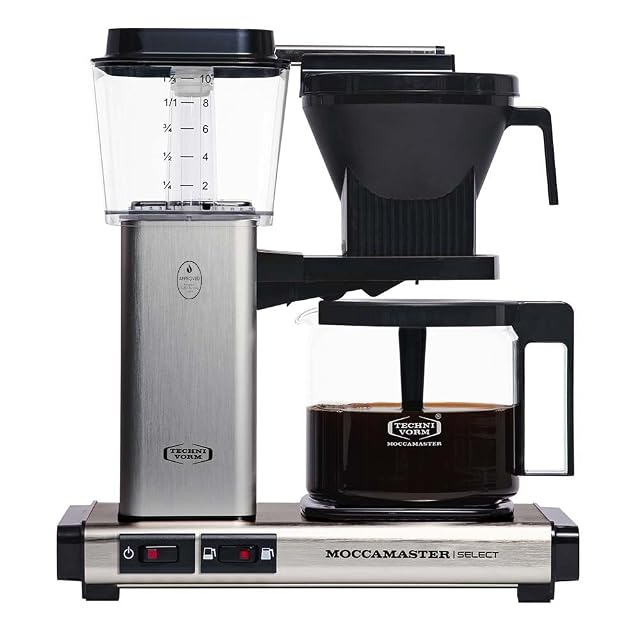
Batch brewer, 60 g (2.1 oz) per liter, light roast, 92 to 96 °C (198 to 205 °F). Decant into a thermal carafe rather than leaving it on a hotplate.
The Moccamaster is Dutch and the Nordic countries adopted it wholesale for exactly this.
What goes with it
The classic fika pastry is the kanelbulle, a cardamom-scented cinnamon bun, with cardamom buns, chokladbollar (oat and cocoa balls) and seven kinds of cookies at a traditional spread. The coffee is drunk black more often than not, and refills are expected: in Sweden, påtår, a second cup, is often included in the price at cafés.