Skip to content

Bourbon

One of the two ancestral arabica cultivars, named after the island now called Réunion. Sweet, complex and the parent of much of the coffee world.

Bourbon is one of the two foundational arabica cultivars — the other is Typica — and between them they are ancestral to most coffee varieties grown today.

The name

French missionaries took Yemeni coffee to Île Bourbon, the island now called Réunion, in the early eighteenth century. The population that developed there diverged enough to be recognised separately, and it spread from there to Latin America and Africa.

Nothing to do with the whiskey, which is named after a different Bourbon.

The profile

Sweet, complex and well balanced, with a pronounced sweetness and good acidity. It is not dramatic in the way Geisha is; it is reliably excellent, which is why it endured.

Why it matters

Bourbon and Typica are the trunk of the family tree. Caturra is a natural dwarf mutation of Bourbon. Catuai is Caturra crossed with Mundo Novo. SL28, the backbone of Kenyan quality, has Bourbon lineage. Pacas, Villa Sarchi and others are Bourbon mutations.

Understanding Bourbon means understanding where most other varieties came from.

Colour variants

Red Bourbon is standard. Yellow Bourbon, widely grown in Brazil, ripens to yellow and is often described as slightly sweeter. Orange Bourbon exists too. These are mutations affecting cherry colour rather than distinct varieties, and the flavour differences are subtle.

Growing it

Moderate yield — considerably better than Geisha, considerably worse than modern hybrids — and susceptible to leaf rust, which is why rust-resistant varieties have displaced it in many regions.

Old Bourbon plantings in Guatemala, El Salvador and Rwanda are prized precisely because they are increasingly rare.

Brewing it

Versatile. Filter shows its complexity; espresso works well at medium roast. A forgiving, rewarding variety.
Questions people actually ask

Why is it called Bourbon?

French missionaries planted Yemeni coffee on Île Bourbon — now Réunion — in the eighteenth century, and the population that developed there was distinct enough to be named after the island.

Is red, yellow or orange Bourbon different?

The colours describe ripe cherry colour, a mutation rather than a separate variety. Yellow Bourbon is popular in Brazil and is often described as slightly sweeter; the differences are subtle.

What you need to make it

The equipment this actually requires — not a shopping list, the shortest route to doing it properly.

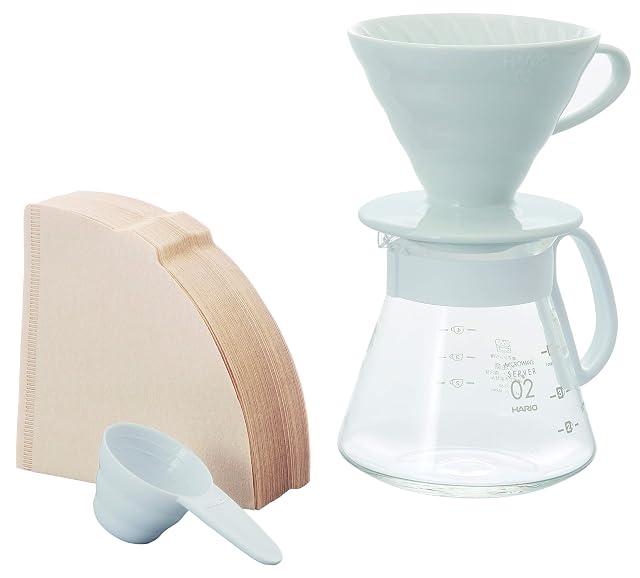
  • The reference pour-over Manual brewers

    Hario V60 02 Ceramic

    60° cone · spiral ribs · 1–4 cups

    The most transparent cup you can brew for twenty euros, and the least forgiving. Ceramic holds heat where plastic does not — and the open bottom means your pour, not the dripper, decides the coffee.

    Best for: Someone who wants to taste what a single-origin coffee is actually doing.

    8.2/10

    ≈ $25 / £20 / 22 €

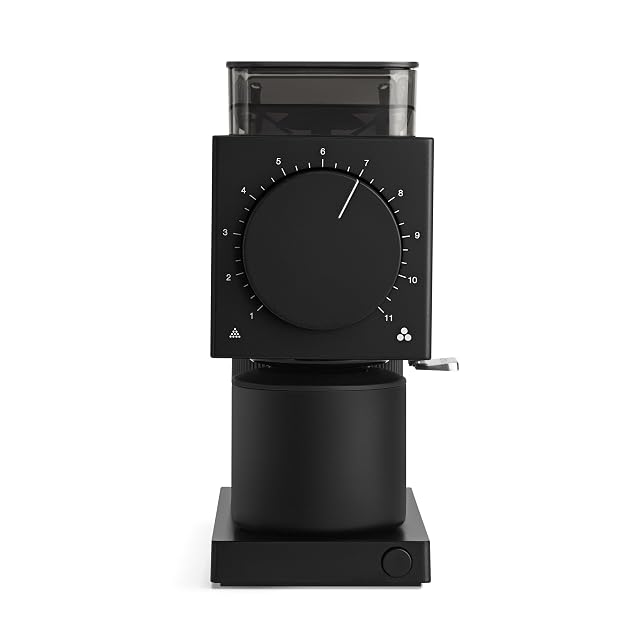
  • Best filter grinder Grinders

    Fellow Ode Brew Grinder Gen 2

    64 mm flat burr · filter only · single dose

    64 mm flat burrs, near-zero retention and a footprint the size of a mug, built for filter and honest about not doing espresso. For pour-over it is the clearest grind you can buy at this price.

    Best for: V60, Chemex, AeroPress and batch brewing, where clarity is the whole point.

    8.7/10

    ≈ $345 / £275 / 300 €

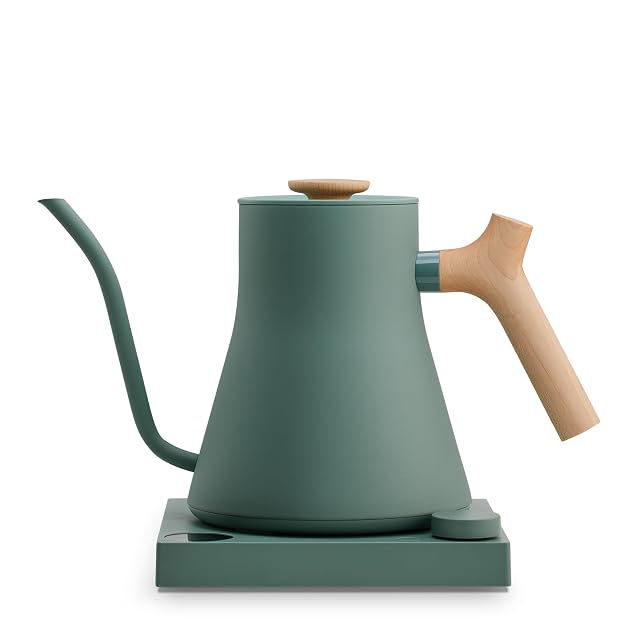
  • Best pour control Kettles

    Fellow Stagg EKG Pro

    0.9 L · ±1 °C hold · counterbalanced gooseneck

    The best-pouring kettle sold, and the hold function matters more than the thermometer. Expensive for boiling water — but if you brew pour-over daily, it is the accessory that most improves the cup.

    Best for: Daily pour-over, where flow rate is the variable you are trying to control.

    8.6/10

    ≈ $195 / £165 / 180 €