Kintamani sits on the rim of the Batur caldera in the Balinese highlands, and its coffee breaks nearly every Indonesian stereotype.
Washed, not wet-hulled
Unlike Sumatra and Sulawesi, Kintamani processes predominantly washed. That alone removes the earthy, herbal character most people associate with Indonesian coffee.
The citrus
Balinese farmers traditionally intercrop coffee with citrus — oranges and tangerines — under the subak abian system, a religious and communal farming structure that governs land use.
Whether the citrus notes in the cup come from that proximity is disputed and probably folklore. The citrus character is real regardless.
The profile
Clean and bright: lemon and orange acidity, light to medium body, a delicate sweetness. Closer to a Central American coffee than to its Indonesian neighbors.
Subak abian
The farming co-operatives operate under Hindu Balinese principles governing water sharing and land use, and they prohibit chemical inputs. Most Kintamani coffee is therefore organic in practice.
Availability
Small production and mostly consumed domestically or in Asia. It appears intermittently in Western specialty shops.
Brewing it
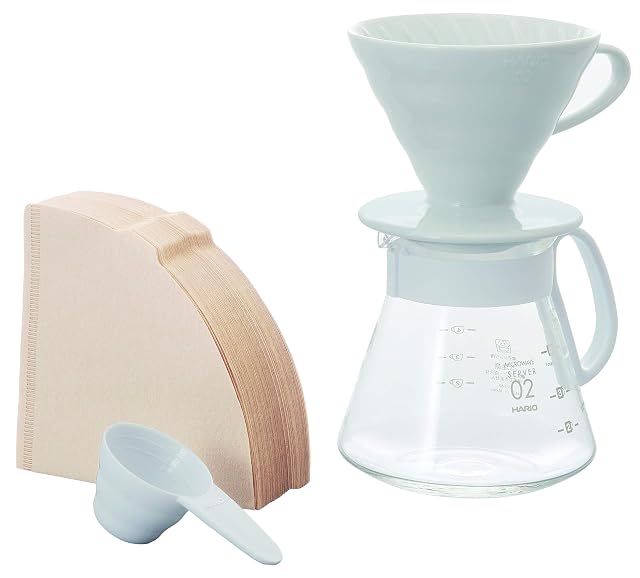
Filter, light to medium roast, a clean brewer. Treat it like a washed Central American rather than an Indonesian.