Skip to content

Blue Mountain (Origin)

A legally defined zone in Jamaica producing famously mild, balanced coffee. Genuinely good, genuinely expensive, and heavily traded on reputation.

Jamaica Blue Mountain is grown in a legally defined zone in the Blue Mountains of eastern Jamaica, between roughly 900 and 1,700 metres. It is among the most expensive coffees in the world, and it is worth being clear about why.

The profile

Exceptionally clean, mild and balanced. Mild acidity, medium body, a smooth sweetness, and — the quality most often cited — a complete absence of bitterness or harshness.

It is not a dramatic coffee. Nobody describes Blue Mountain as tasting of blueberry or jasmine. What it offers is refinement and balance, which is a genuine achievement and a quieter one.

Why it costs what it does

Tiny production from a small legally bounded area on steep, difficult terrain.

High labour costs relative to most origin countries.

Enormous demand from Japan, which has historically bought the majority of the crop and is prepared to pay.

Reputation, which is doing a lot of the work in the price.

Authenticity

The Jamaica Coffee Industry Board certifies genuine lots, traditionally shipped in wooden barrels rather than sacks. Look for certification.

“Blue Mountain style” and “Blue Mountain blend” are marketing phrases that do not mean the coffee came from the zone.

An honest assessment

It is a very good coffee. Blind against an outstanding Ethiopian, Kenyan or Colombian at a quarter of the price, most specialty drinkers would not rank it first. Its balance is its virtue, and balance is harder to sell than fireworks.

Brewing it

Medium roast, filter, gentle extraction. Its subtlety does not survive a very light roast or an aggressive brewer.
Questions people actually ask

Is Blue Mountain worth the price?

It is a genuinely excellent, exceptionally clean and balanced coffee. Whether it is worth several times the price of an outstanding Ethiopian or Colombian is a different question, and most specialty drinkers would say no. You are paying substantially for the name.

How do I know it is genuine?

The zone is legally defined and the Jamaica Coffee Industry Board certifies exports, traditionally shipped in wooden barrels. Genuine lots carry certification; “Blue Mountain style” and “Blue Mountain blend” are not the same thing.

What you need to make it

The equipment this actually requires — not a shopping list, the shortest route to doing it properly.

  • The reference pour-over Manual brewers

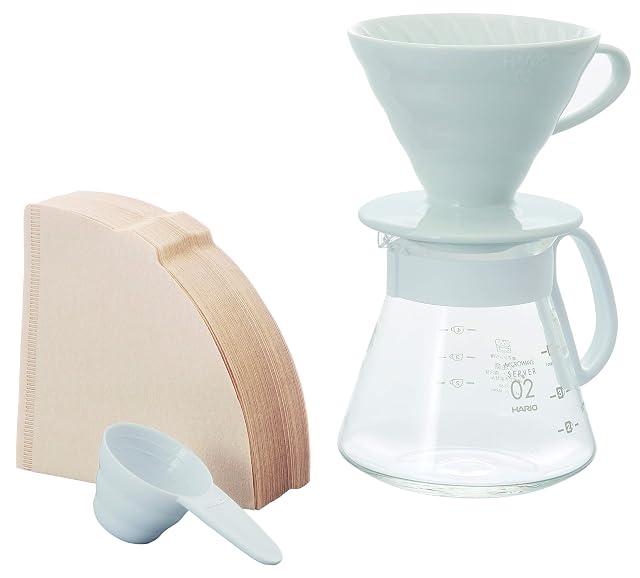
    Hario V60 02 Ceramic

    60° cone · spiral ribs · 1–4 cups

    The most transparent cup you can brew for twenty euros, and the least forgiving. Ceramic holds heat where plastic does not — and the open bottom means your pour, not the dripper, decides the coffee.

    Best for: Someone who wants to taste what a single-origin coffee is actually doing.

    8.2/10

    ≈ $25 / £20 / 22 €

  • Best filter grinder Grinders

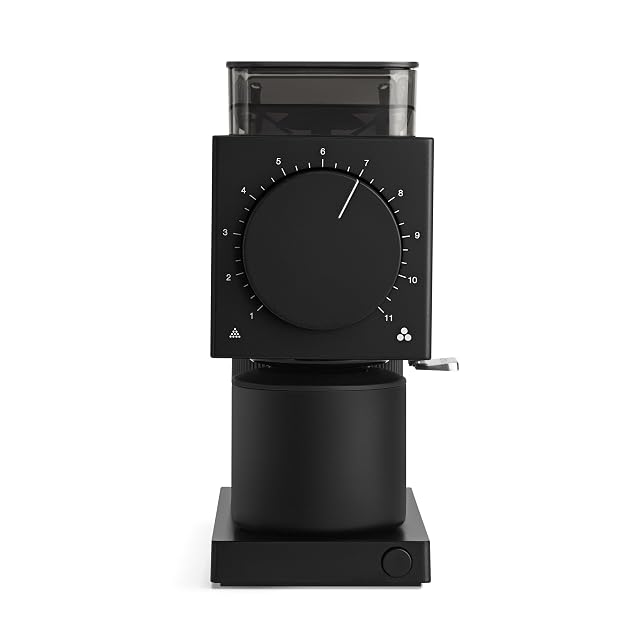
    Fellow Ode Brew Grinder Gen 2

    64 mm flat burr · filter only · single dose

    64 mm flat burrs, near-zero retention and a footprint the size of a mug, built for filter and honest about not doing espresso. For pour-over it is the clearest grind you can buy at this price.

    Best for: V60, Chemex, AeroPress and batch brewing, where clarity is the whole point.

    8.7/10

    ≈ $345 / £275 / 300 €

  • Best pour control Kettles

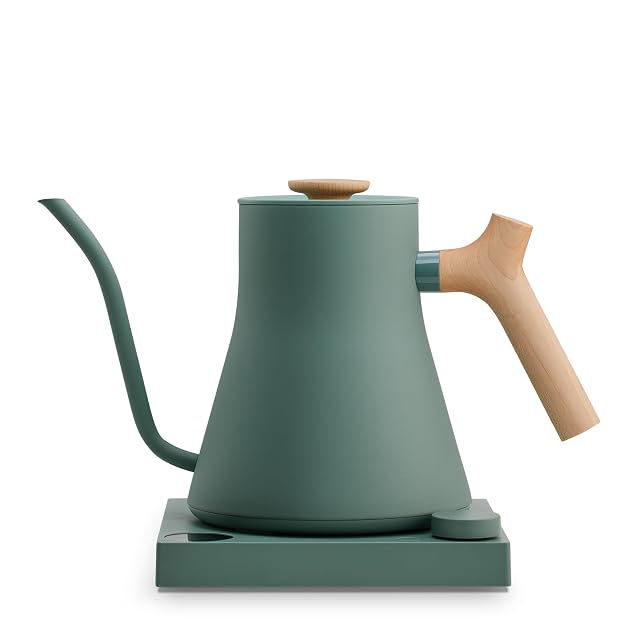
    Fellow Stagg EKG Pro

    0.9 L · ±1 °C hold · counterbalanced gooseneck

    The best-pouring kettle sold, and the hold function matters more than the thermometer. Expensive for boiling water — but if you brew pour-over daily, it is the accessory that most improves the cup.

    Best for: Daily pour-over, where flow rate is the variable you are trying to control.

    8.6/10

    ≈ $195 / £165 / 180 €