A bean-to-cup machine that deliberately does not do milk, and is cheaper, narrower and simpler for it. If you drink your coffee black, you are paying for nothing you do not use.
The bottom line The right machine for a black-coffee household, and pointless for anyone else.
Almost every bean-to-cup machine is designed around milk. The carafe, the tubes, the frothing chamber and the automatic cleaning cycle exist to make cappuccino, and they account for a large share of the price, most of the width and nearly all of the maintenance. The Caffeo Solo simply removes all of it.
What remains is a competent grinder, a removable brew unit and three strength settings, in a housing twenty centimetres wide. It makes espresso, lungo and long black coffee, and does nothing else. Owners who drink their coffee black end up with a smaller machine, a lower bill and no milk carafe rotting quietly at the back of a cupboard.
The compromises are the ones you would expect at this price. The plastic housing creaks, the pump is audible across an open-plan kitchen, and there is essentially nothing to adjust beyond strength and volume. The grinder is fine rather than good, which caps how interesting a straight espresso can be.
It is worth being blunt about the one scenario where this is a mistake. If there is any chance that someone in the house wants a flat white in the morning, buy a machine that makes one. Bolting a standalone frother onto a Solo works, and it is still two appliances and two things to wash.
What we like, and what we don't
Strengths
Only 20 cm wide — it fits where other bean-to-cups do not
No milk system means no milk system to clean, ever
Removable brew unit; these run for a decade on basic care
Compromises
No milk at all — a separate frother is not optional, it is required
Three strength settings and little else; there is nothing to tune
Plastic housing that creaks, and it is not quiet
Where this one sits in its aisle
At 280 £, it is the 1 cheapest of the 6 models in this category published here.
Cheapest in the aisle280 £
Median800 £
Dearest in the aisle2000 £
Specifications
Burr type
Conical steel
Milk system
None
Width
20 cm
Water tank
1.2 L
Brew unit
Removable
Questions people actually ask
Is a machine with no milk system a false economy?
Only if you drink milk. The milk system is the most expensive component, the bulkiest, and the one owners abandon first because of cleaning. Removing it buys you a narrower machine at a lower price with less to go wrong. If you make one cappuccino a week, add a standalone frother for 60 and you are still ahead.
How does it compare to the De'Longhi Magnifica Evo?
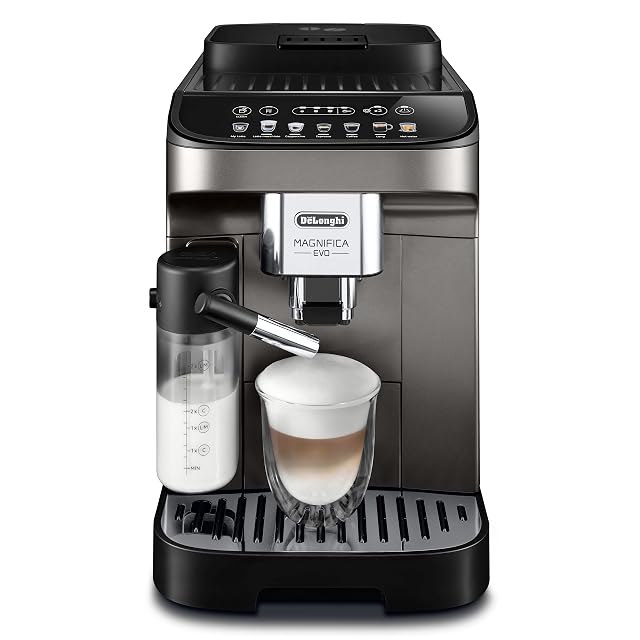
The Magnifica grinds a little better, offers finer adjustment and can do milk. The Solo is smaller, cheaper and simpler. If milk matters at all, buy the De'Longhi; if it does not, the Solo wastes less of your money and your worktop.
Our score
7.9/ 10
The right machine for a black-coffee household, and pointless for anyone else.
Who this one is for
Espresso, lungo and americano drinkers who genuinely never make a cappuccino.
Compared with its closest rivals
Same category, nearest prices. Only the specifications every one of them states are shown — a half-empty column compares nothing.
A reference exists on these Amazon stores: France, Germany, Italy, Spain, United Kingdom. Listed is not the same as in stock — availability changes daily.
Details checked on August 8, 2026.
Sources
Specifications: manufacturer sheet and Amazon product page. Prices and availability: Keepa. No product on this site has been physically tested.
The machine most people should start with. The grinder is ordinary and the coffee is good rather than great — but the brew unit pops out in two seconds, and that single design decision is why these are still running after eight years.
Best for: Someone moving off capsules who wants fresh coffee without a hobby attached.
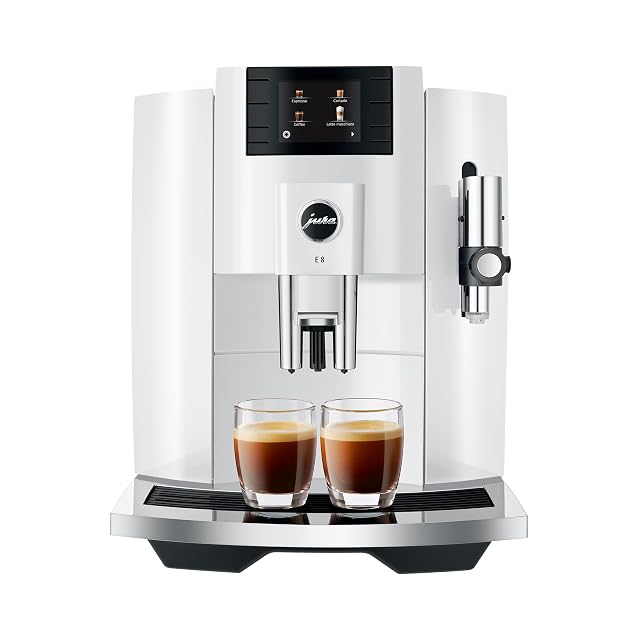
The best espresso an automatic machine makes, from a company that will not let you clean the part that brews it. Extraordinary in the cup, uncomfortable as a ten-year purchase — and you should know both before spending this much.
Best for: Someone who drinks short black coffee daily, values the cup over the repair bill, and will pay for it.
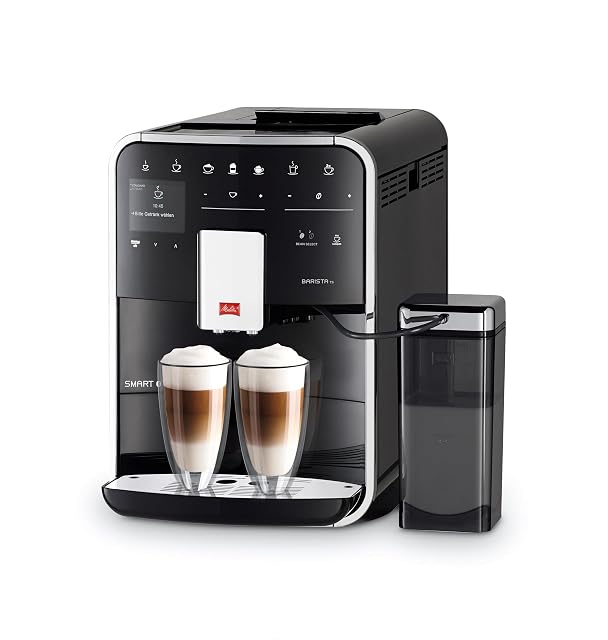
Two separate bean chambers, so a decaf drinker and an espresso drinker share one machine without either compromising. The app is beside the point; the second hopper is not.
Best for: A household where one person drinks decaf after six and nobody wants to swap beans.