Skip to content

Maragogype

A giant-bean mutation of Typica found in Brazil in 1870. Spectacular beans, very low yields, and a mild, gentle cup.

Maragogype — named after Maragogipe in Bahia, Brazil, where it was found in 1870 — is a natural mutation of Typica that produces beans far larger than any other arabica.

They are often called elephant beans, and the size is genuinely striking.

The cup

Mild, sweet, light-bodied, with gentle acidity and a soft, clean character. Pleasant rather than remarkable.

This is worth saying plainly, because the beans look extraordinary and the price is often high: bean size correlates with nothing in the cup. Maragogype is sold on rarity and appearance as much as on flavour.

Why it survives

Yields are very low — the trees are large, the beans are few, and the productivity per hectare is poor. Commercially it makes little sense.

It persists because it is distinctive, because some markets pay for the appearance, and because a handful of producers maintain it out of interest.

Roasting and grinding

Large beans are genuinely awkward. The outside can develop well ahead of the centre, so roasters slow their profiles considerably. And they behave differently through a grinder — expect to adjust from your normal setting.

Descendants

Maragogype is one parent of Pacamara, crossed with Pacas in El Salvador, which inherited the size and gained considerably more character.

Brewing it

Filter, medium roast, gentle extraction. Its mildness does not survive an aggressive brew, and there is not enough acidity to reward a very light roast.

Approach it as a curiosity worth trying rather than an everyday coffee.
Questions people actually ask

Are big beans better?

No. Bean size correlates with nothing in the cup. Maragogype is grown for its rarity and its appearance as much as for its flavour, which is mild and pleasant rather than remarkable.

How do I roast or grind such large beans?

Roasters slow the profile so the centre develops before the outside darkens. For grinding, expect to adjust from your usual setting — large beans behave differently through burrs.

What you need to make it

The equipment this actually requires — not a shopping list, the shortest route to doing it properly.

  • The reference pour-over Manual brewers

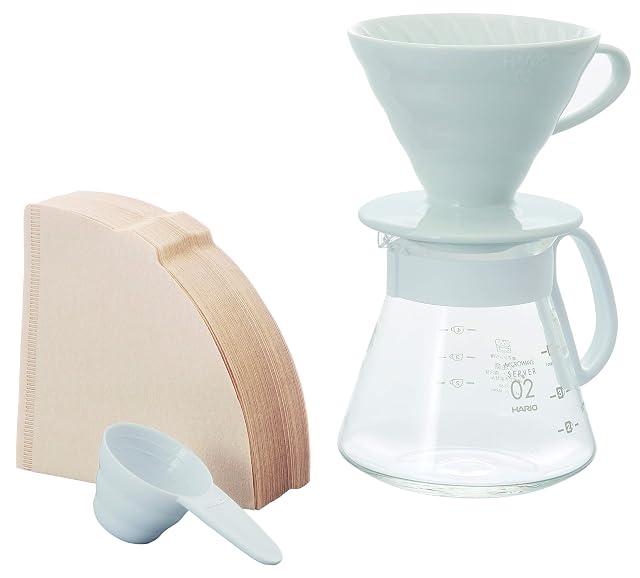
    Hario V60 02 Ceramic

    60° cone · spiral ribs · 1–4 cups

    The most transparent cup you can brew for twenty euros, and the least forgiving. Ceramic holds heat where plastic does not — and the open bottom means your pour, not the dripper, decides the coffee.

    Best for: Someone who wants to taste what a single-origin coffee is actually doing.

    8.2/10

    ≈ $25 / £20 / 22 €

  • Best filter grinder Grinders

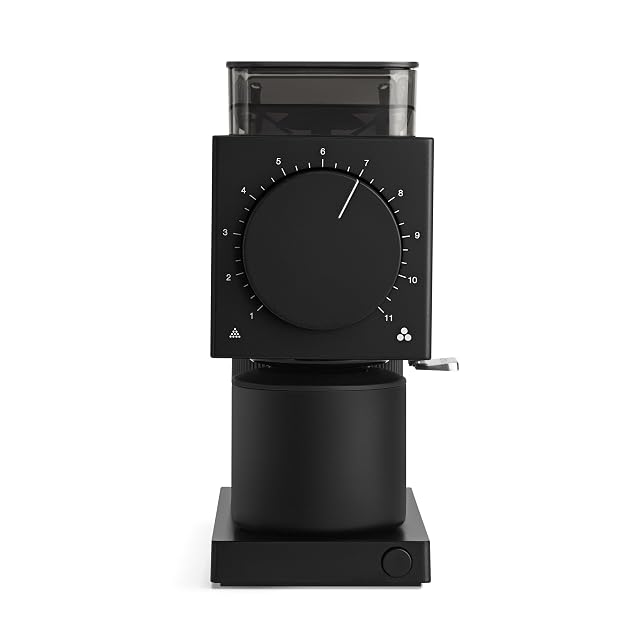
    Fellow Ode Brew Grinder Gen 2

    64 mm flat burr · filter only · single dose

    64 mm flat burrs, near-zero retention and a footprint the size of a mug, built for filter and honest about not doing espresso. For pour-over it is the clearest grind you can buy at this price.

    Best for: V60, Chemex, AeroPress and batch brewing, where clarity is the whole point.

    8.7/10

    ≈ $345 / £275 / 300 €

  • Best pour control Kettles

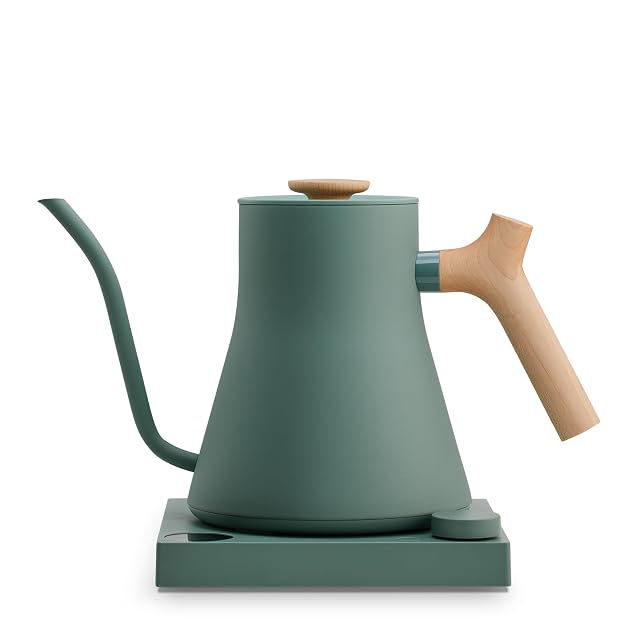
    Fellow Stagg EKG Pro

    0.9 L · ±1 °C hold · counterbalanced gooseneck

    The best-pouring kettle sold, and the hold function matters more than the thermometer. Expensive for boiling water — but if you brew pour-over daily, it is the accessory that most improves the cup.

    Best for: Daily pour-over, where flow rate is the variable you are trying to control.

    8.6/10

    ≈ $195 / £165 / 180 €