A demucilager strips the sticky mucilage layer off pulped coffee mechanically, by friction, instead of letting fermentation break it down.
Why producers use it
Water. Traditional fermentation and washing uses enormous quantities. Demucilaging cuts it dramatically — a serious consideration where water is scarce or where effluent is regulated.
Time. No overnight fermentation.
Control. A machine produces the same result regardless of ambient temperature, which fermentation does not.
The trade-off
Fermentation contributes flavor. Skipping it entirely produces a very clean, very neutral cup — some would say a less complex one.
Many producers compromise: a short fermentation followed by demucilaging.
Where it is common
Colombia and Central America widely, and increasingly anywhere water regulations tighten.
The wider point
Coffee processing choices are as often about water, labor and regulation as about flavor. That context rarely reaches the bag.
Brewing it
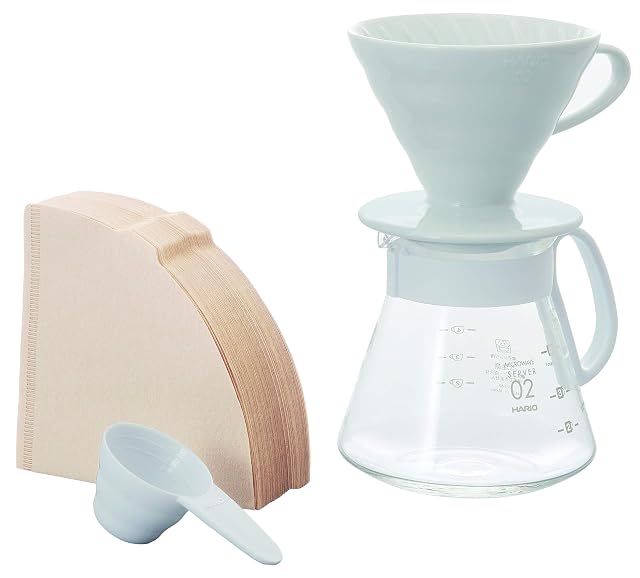
Filter, light to medium roast. Clean cups suit clean brewers.
On the bag
Demucilaged coffee is usually sold simply as washed, so the label rarely tells you. Some producers name it “mechanically washed” or “eco-pulped”, and others leave a little mucilage on and dry the coffee as a honey process, which the same machines make possible.
On the bag
Demucilaged coffee is usually sold simply as washed, so the label rarely tells you. Some producers name it “mechanically washed” or “eco-pulped”, and others leave a little mucilage on and dry the coffee as a honey process, which the same machines make possible.