Skip to content

Cold brew

Coarse coffee steeped in cold water for 12 to 18 hours. Low acidity, heavy sweetness, and completely different from iced coffee.

Cold brew is coffee steeped in cold water for a long time. No heat at any stage.

Why it tastes different

Temperature decides which compounds dissolve. Many of the acids that give hot coffee its brightness need heat to extract, so they largely stay in the grounds. What does dissolve at room temperature is the sweeter, heavier, more chocolatey material.

The result is smooth, sweet and very low in acidity — and it loses most of the floral, citric character that makes a light Ethiopian interesting. That is a trade rather than an improvement.

The method

As concentrate: 1 part coffee to 8 parts water by weight. 125 g coffee to 1 litre. Coarse grind, cold water, stir once, refrigerate 12 to 18 hours. Strain through a paper filter or a press.

Dilute one to one with water or milk to serve.

Ready to drink: 1:15, same process, no dilution.

Grind and time

Coarse, as for a French press — fines make it cloudy and bitter, and they are much harder to strain out cold.

12 to 18 hours. Under 12 is thin; past about 24 it turns woody. Room temperature extracts faster than the fridge, so shorten it if you leave it out.

Which coffee

Medium to dark roasts and chocolatey origins — Brazil, Colombia, Indonesia — suit it. Delicate light roasts are wasted, since the qualities you paid for are exactly the ones cold water does not extract.

Keeping it

Concentrate keeps about a week refrigerated in a sealed bottle. Diluted, drink it within a couple of days.
Questions people actually ask

Is cold brew the same as iced coffee?

No. Iced coffee is brewed hot and chilled, keeping its acidity and aromatics. Cold brew never gets hot, so the acids never fully dissolve — the result is smooth and sweet with far less brightness. They taste completely different.

Does it have more caffeine?

Concentrate does, because it is brewed at a much tighter ratio. Diluted to drinking strength it is broadly comparable to hot coffee, sometimes slightly higher because of the long contact time.

What you need to make it

The equipment this actually requires — not a shopping list, the shortest route to doing it properly.

  • Best value brewer Manual brewers

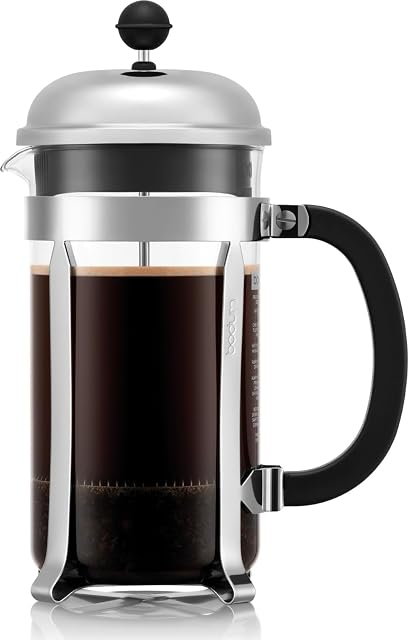
    Bodum Chambord French Press 1 L

    1 L · steel mesh · borosilicate glass

    Full immersion, full body, and no paper to buy ever again. The cheapest genuinely good brewer here — and the one most ruined by grinding too fine.

    Best for: Big-bodied dark and medium roasts, and anyone who does not want to buy papers.

    8.1/10

    ≈ $45 / £35 / 38 €

  • Best filter grinder Grinders

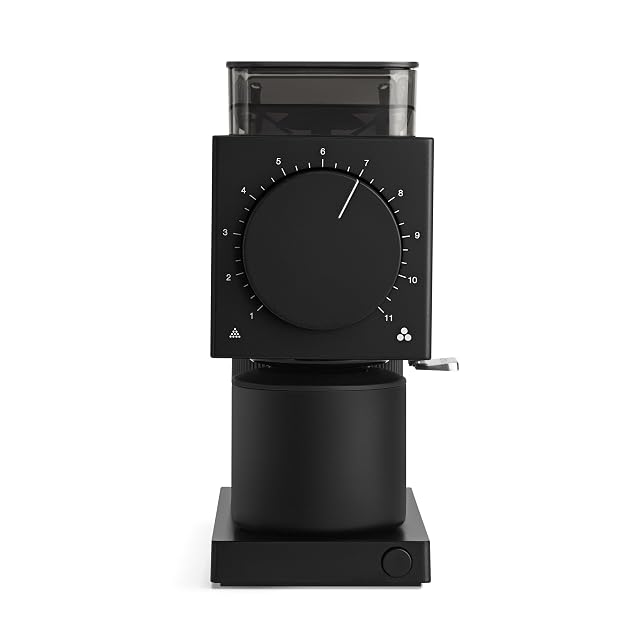
    Fellow Ode Brew Grinder Gen 2

    64 mm flat burr · filter only · single dose

    64 mm flat burrs, near-zero retention and a footprint the size of a mug, built for filter and honest about not doing espresso. For pour-over it is the clearest grind you can buy at this price.

    Best for: V60, Chemex, AeroPress and batch brewing, where clarity is the whole point.

    8.7/10

    ≈ $345 / £275 / 300 €

  • Airscape stainless steel coffee storage canister
    Best bean storage

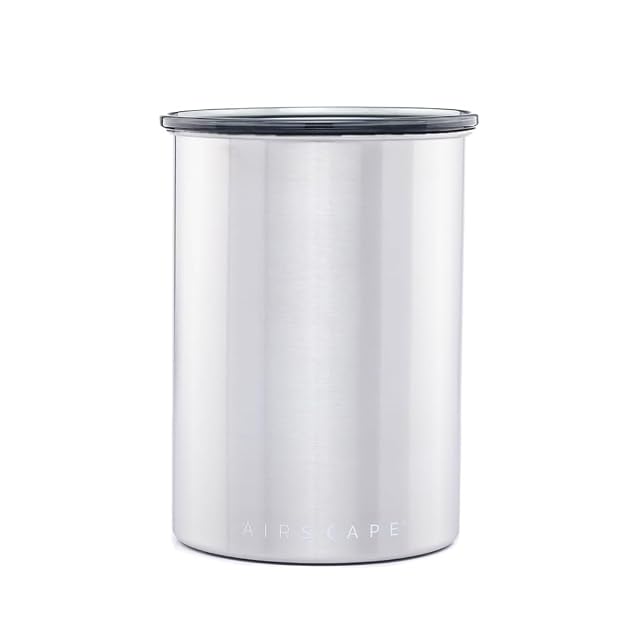
    Planetary Design Airscape Coffee Canister

    An inner lid you push down to force the air out, so the beans sit in almost no oxygen. Oxygen is what makes coffee taste flat after a fortnight, and this is the cheapest way to slow it down.

    Material
    Stainless steel, opaque
    Mechanism
    Plunger lid, manual
    Capacity
    ≈ 500 g of beans
    • Plunger lid genuinely evacuates the air rather than just sealing
    • Opaque steel body — light degrades coffee as much as air
    • Bulkier on the worktop than a bag with a clip

    Best for: Anyone buying beans by the kilo rather than the 250 g bag.

    8.4/10 ≈ $35 / £28 / 30 €
    Check price on Amazon