Cauca sits in south-western Colombia, between Huila and the Pacific, at altitudes reaching 2,100 metres.
The profile
Brighter and more complex than the Colombian norm: floral top notes, tropical and citric acidity, and a clean, structured body.
Where Huila is caramel-sweet and balanced, Cauca is more acidic and more distinctive — closer in character to Nariño, its southern neighbour.
Why altitude does this
Cauca’s high, cool growing conditions slow cherry maturation considerably. Slower development concentrates sugars and acids and produces dense beans, which is the mechanism behind nearly every high-altitude origin’s brightness.
Indigenous producers
A significant share of Cauca’s coffee is grown by indigenous communities, particularly the Nasa and Misak, often through their own co-operatives. Several of these have built strong direct relationships with specialty roasters.
Processing experimentation
Cauca has been active in anaerobic and extended fermentation, which produces intense and divisive lots. Traditional washed Cauca remains the safer purchase.
Brewing it
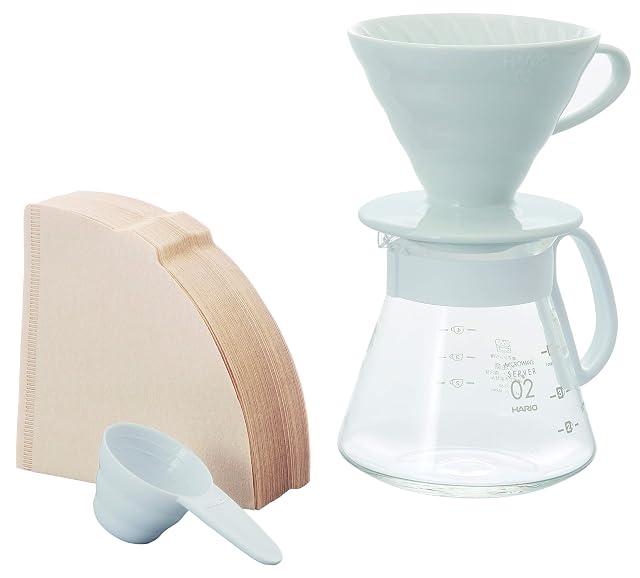
Filter, light roast, a clean brewer that shows acidity. Grind finer and brew hot — these are dense beans and under-extraction reads as sour rather than bright.