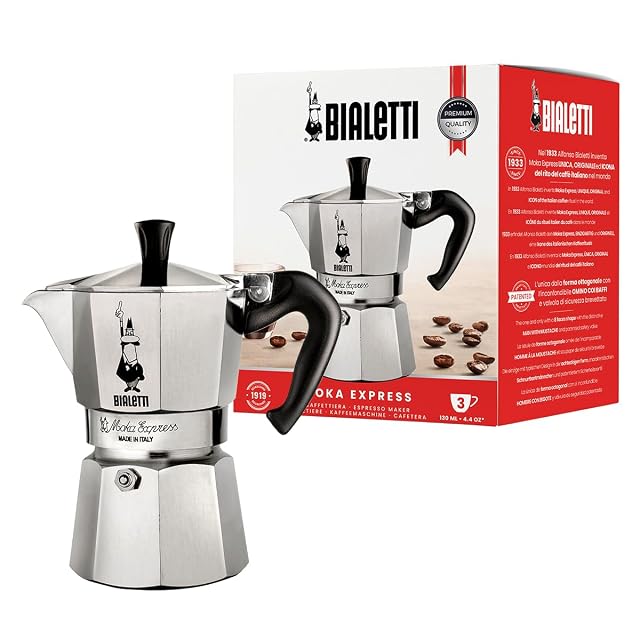
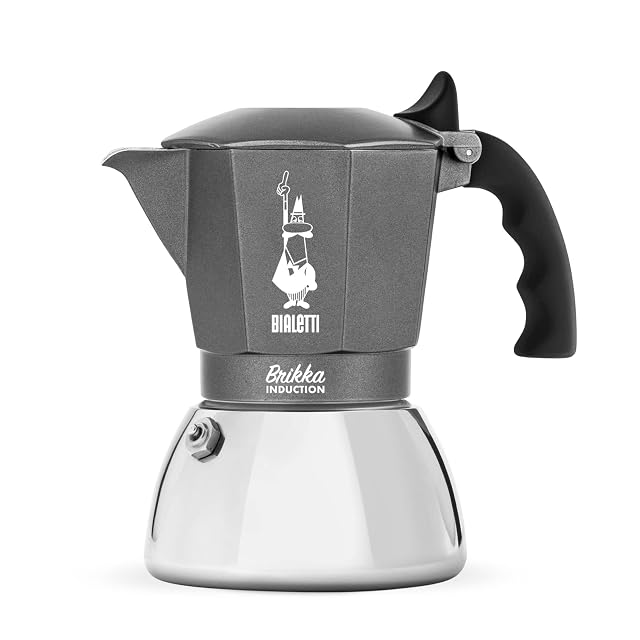
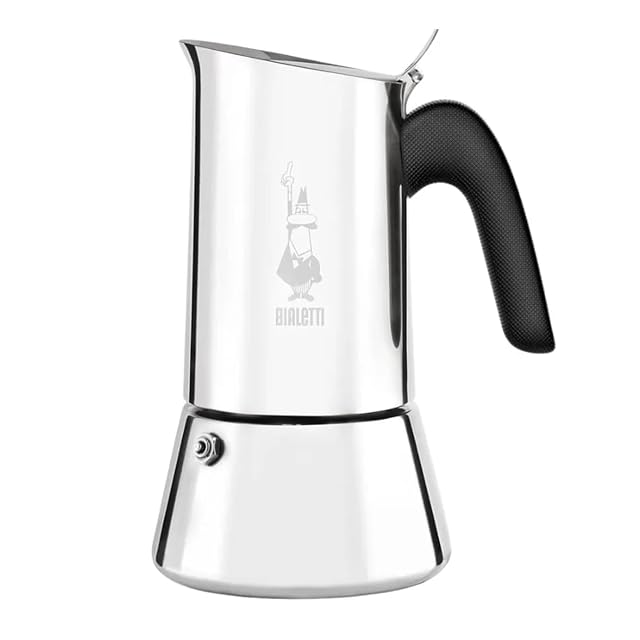
The moka pot is the most-owned coffee maker in Europe and the most consistently badly used. Its reputation for bitter, acrid coffee is a reputation for one habit, and changing that habit changes everything.
Fill with water that has already boiled
This is the whole article, and everything else is detail.
Cold water in the base takes three or four minutes to build pressure. During those minutes the aluminium body and the coffee bed sitting directly on top of it are being heated well past brewing temperature — cooked, essentially — before any water passes through them. By the time brewing starts, the coffee is already scorched.
Fill from a kettle instead. Pressure builds in under a minute, the coffee never bakes, and the same pot with the same beans produces something sweet, thick and chocolatey.
The base gets hot immediately with boiling water in it. Hold the pot by the handle when you screw the top on, or use a cloth.
Fill the basket level, and do not tamp
Fill the funnel to the top and sweep it flat. No tamping — a moka pot generates one to two bars, not nine, and a tamped bed restricts flow so badly that steam forces through in bursts. That is the sputtering everyone recognises, and it drags out everything bitter.
Grind between espresso and filter
Roughly the texture of table salt. Espresso-fine chokes the pot. Filter-coarse gives you weak brown water. If the pot spits violently, go coarser.
Low heat, lid open
Set the smallest flame that will do the job. You want the coffee to rise slowly and steadily as a thin dark stream, not to erupt. Leave the lid open so you can see it.
Take it off at the first gurgle
When the stream turns pale and blond and the pot starts to gurgle, the water is gone and what is coming through now is steam — and steam extracts nothing but bitterness. Take the pot off the heat immediately and run the base under a cold tap for two seconds to stop it.
Fill it to its rating
A moka pot only brews properly at its rated capacity, because the basket needs a full bed for water to pass through evenly. A 6-cup pot brewing 3 cups over-extracts badly. Bialetti counts in 40 ml Italian cups, so a 3-cup pot is one large mug.
Questions people actually ask
Why pre-boiled water — is it not the same water?
It is the same water and a completely different brew. Cold water takes several minutes to reach pressure, and during those minutes the metal body and the coffee sitting directly above it are being roasted. Pre-boiled water reaches pressure in under a minute, so the coffee never bakes.
How fine should the grind be?
Between espresso and filter — roughly table salt. Espresso-fine chokes a moka pot and makes it spit and sputter; filter-coarse gives a weak, watery brew. If it is spitting violently, go coarser.
Should I fill the basket flat or heaped?
Level and untamped. Fill the funnel to the top and sweep it flat with a finger. Tamping a moka basket restricts flow and forces steam through in bursts, which is exactly what produces the bitterness people blame on the pot.
Last reviewed 8 August 2026