A pour-over is a simple recipe and a difficult delivery. Here is a version that works, followed by the parts that actually decide the cup.
The recipe
- 15 g coffee, ground medium — like coarse sand
- 250 g water at 93 °C
- Total brew time 2:30 to 3:30
The method
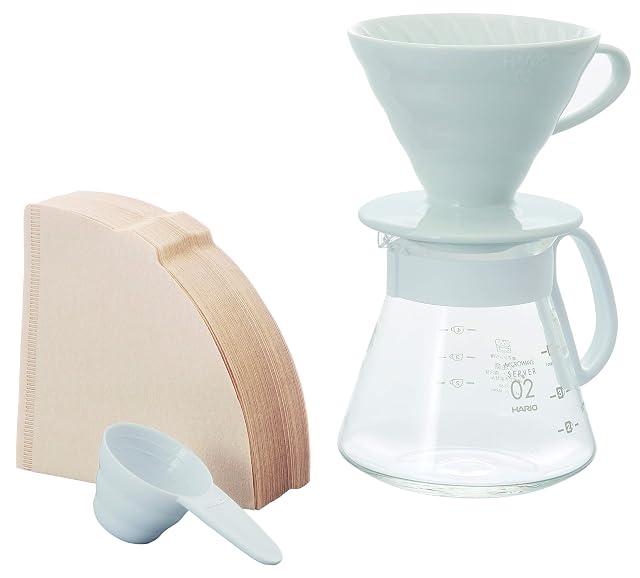
- Rinse the filter with hot water, all the way round, and tip the water out of the server. This removes the papery taste and preheats everything.
- Add the coffee and level it. A flat bed is the point; a sloped bed drains unevenly from the first pour.
- Bloom. Pour 45 g — three times the coffee weight — and start the timer. Give it a gentle swirl so every ground is wet. Wait 45 seconds. Fresh coffee releases a lot of CO₂, and CO₂ repels water; skipping the bloom is why fresh beans sometimes brew worse than stale ones.
- Pour to 150 g in slow concentric circles, starting at the centre and spiralling out, staying off the paper.
- Pour to 250 g the same way, once the level has dropped about halfway.
- Let it draw down. Finish somewhere between 2:30 and 3:30.
What actually decides the cup
Where you pour. Water poured in one place digs a hole and runs straight through, past most of the coffee. Circles exist to keep the bed level, not because circles are magic.
Whether you touch the paper. Water poured onto the filter runs down the side and bypasses the coffee entirely. Keep the stream inside the bed.
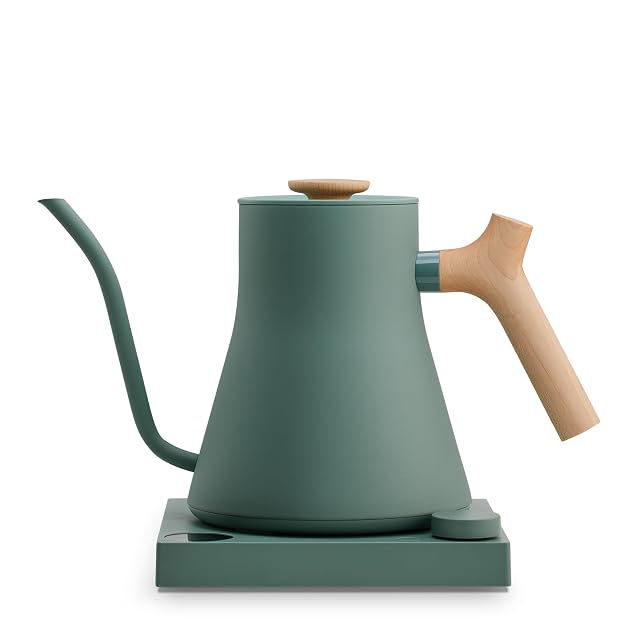
Your flow rate. This is why a gooseneck kettle is not optional for a V60 — a normal kettle delivers water in surges you cannot moderate, and each surge punches a channel.
Adjusting
Too fast and sour, grind finer. Too slow and bitter, grind coarser. Change the grind and nothing else until the total time lands in the window, then use taste.
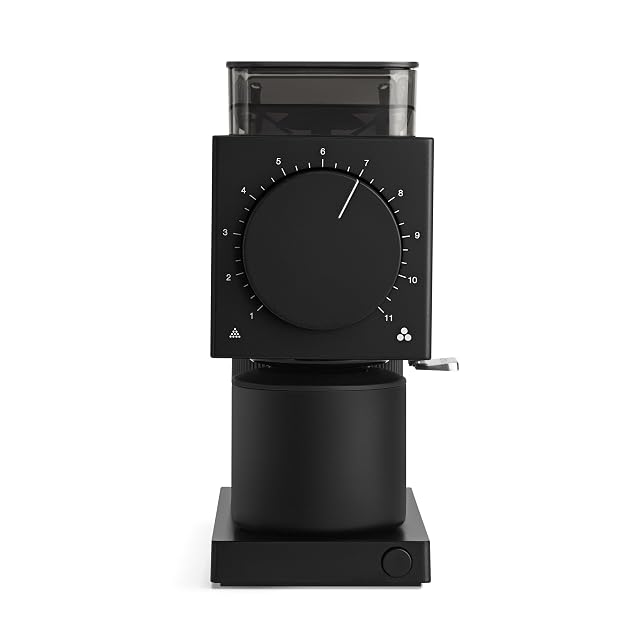
If it is consistently uneven no matter what you do, the brewer may simply be too demanding for your current grinder. A Hario Switch, brewed with the valve closed, removes pour rate from the equation entirely and is far more forgiving.
Questions people actually ask
Why rinse the paper filter?
Two reasons. It washes out the papery taste, which is real and noticeable in a light roast. And it preheats the dripper and the server, which matters a great deal with ceramic — brewing into a cold ceramic cone steals heat from exactly the pour where you need it most.
What if my brew finishes too fast or too slowly?
Grind. Under about two and a half minutes total means grind finer; over about four means grind coarser. Change nothing else until the time lands in the window, then adjust to taste.
Do I have to pour in circles?
Circles keep the bed level, which is the actual goal. Pouring in one spot digs a hole and channels water past the rest of the coffee. Slow concentric circles that stay off the paper are the reliable way to achieve it, not a ritual.
Last reviewed 8 August 2026