Skip to content

Fellow Ode Brew Grinder Gen 2 vs Comandante C40 MK4 Nitro Blade

Do you want the grind done for you, or the better tool?

At roughly the same price these grind to a comparable standard, and they are otherwise nothing alike. One refuses espresso and does filter while you stand there; the other does both and asks for your arm.

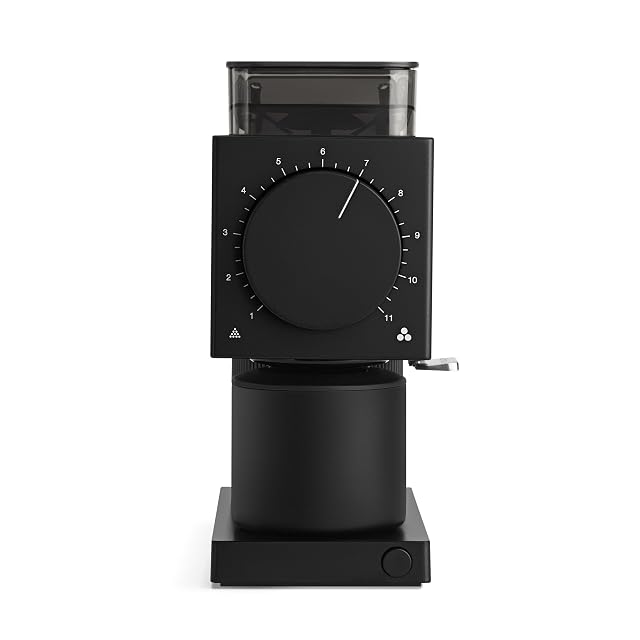
Fellow Ode Gen 2 electric coffee grinder

Fellow Ode Brew Grinder Gen 2

8.7/10

Wins 2 of 6

Check price

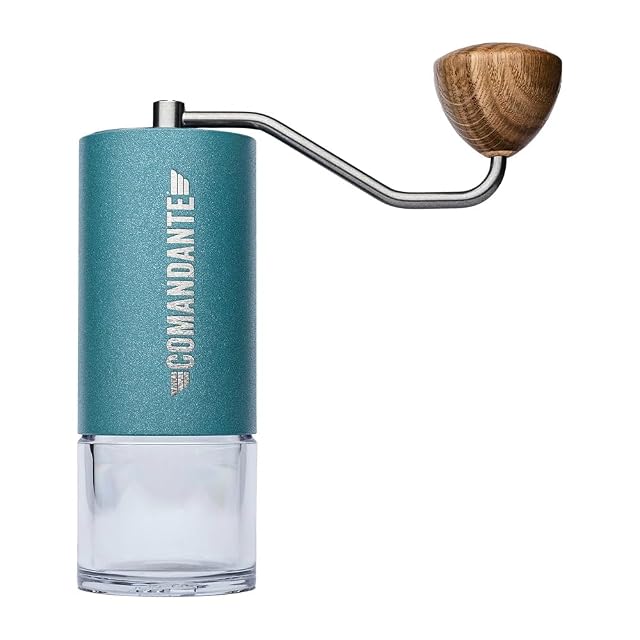
Comandante C40 MK4 hand coffee grinder

Comandante C40 MK4 Nitro Blade

8.8/10

Wins 3 of 6

Check price

Side by side, line for line

Compared on Ode Brew Grinder Gen 2 C40 MK4 Nitro Blade
Grind quality, filter Excellent — 64 mm (2.52 in) flats Excellent
Espresso capable No, by design Yes, with effort
Effort per dose None 30–60 s of cranking
Batch brewing Comfortable 40 g (1.4 oz) capacity, one dose
Portability Countertop appliance Goes in a bag
Longevity Good Nitrogen-hardened burrs, fully serviceable
Listed on amazon.com Yes Yes

A tick marks the better answer on that line only. Counting ticks does not decide the page — the two verdicts below do, because these machines answer different questions.

Which of the two, for which cup

Buy the Ode Brew Grinder Gen 2

Buy the Ode if you brew filter at home, brew for more than one person, or want the grind to happen without you. Designing for one range is exactly how it reaches its consistency.

Buy the C40 MK4 Nitro Blade

Buy the Comandante if you make one or two cups, want a grinder that also handles espresso, or travel with coffee. It is the better tool and the more demanding one.

What people want to know

Why would a grinder deliberately refuse espresso?

Because a burr set that must span espresso and filter compromises for both. Committing to one range is how the Ode achieves a narrower particle distribution than do-everything grinders at the same price.

Is the Comandante worth four times a Timemore C3?

On grind quality alone, no — the Timemore reaches perhaps eighty percent for a quarter of the price. The extra buys burr longevity, a smoother crank under load, and a device still serviceable in fifteen years.

Read each in full