De’Longhi sells more home coffee machines than anyone in Europe, which invites the assumption that it wins on marketing rather than merit. That is not quite fair, and the reason is one engineering decision it keeps making while its premium competitors refuse to.
The brew unit comes out. Press two tabs, pull, rinse under the faucet, push back. Every machine that brews coffee accumulates oily grounds in the group; the only question is whether the owner can reach them. On a sealed machine you cannot, so residue turns rancid, extraction drifts, and eventually a technician charges you a meaningful fraction of the machine’s value. De’Longhi machines are routinely still working at ten years old for exactly this reason.
Where the money is saved is the grinder. Thirteen grind steps sounds like adjustment and behaves like a set of presets, which caps how interesting a straight espresso can be. In a flat white you will not notice. In a black coffee you will.
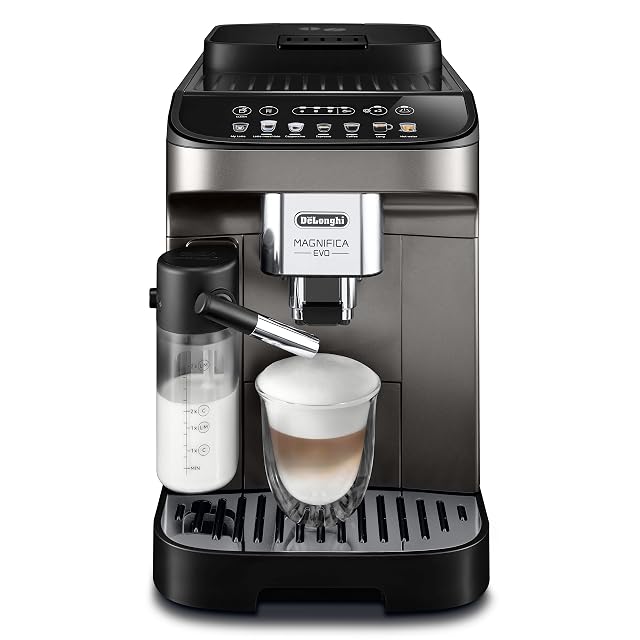
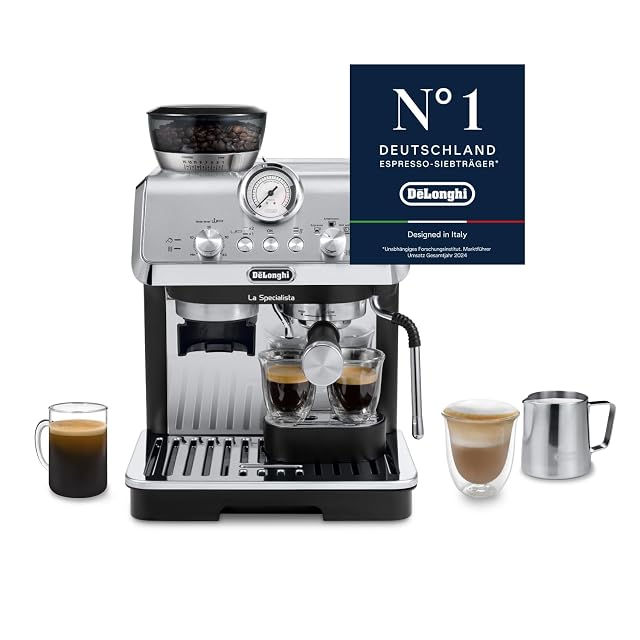
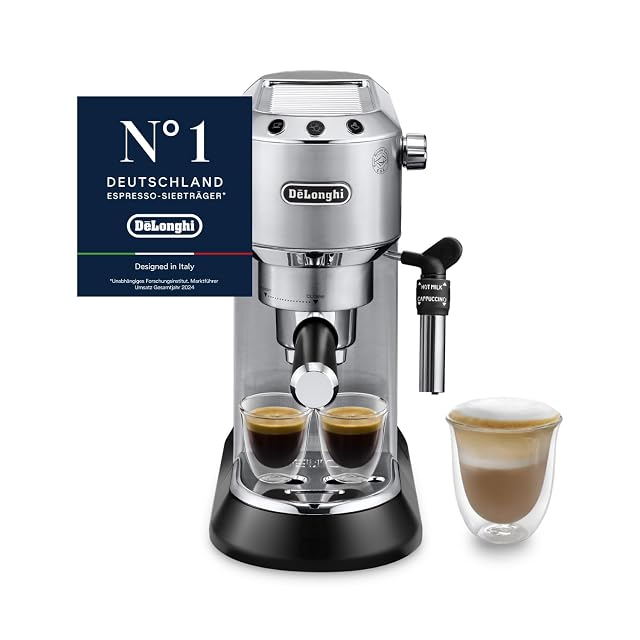
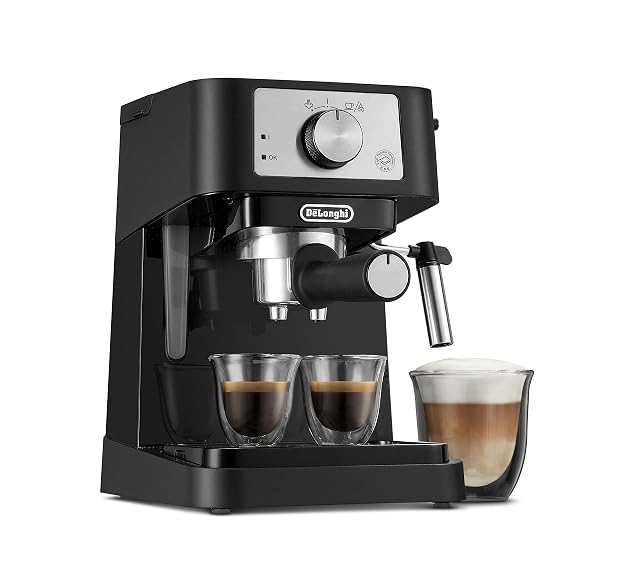
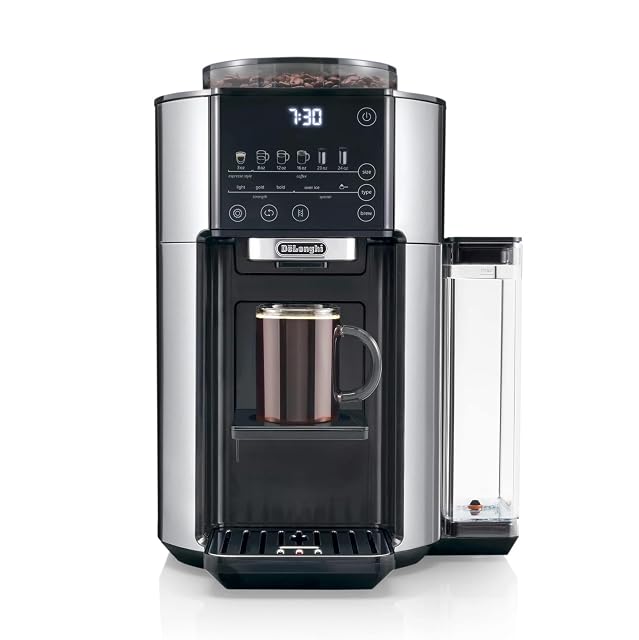
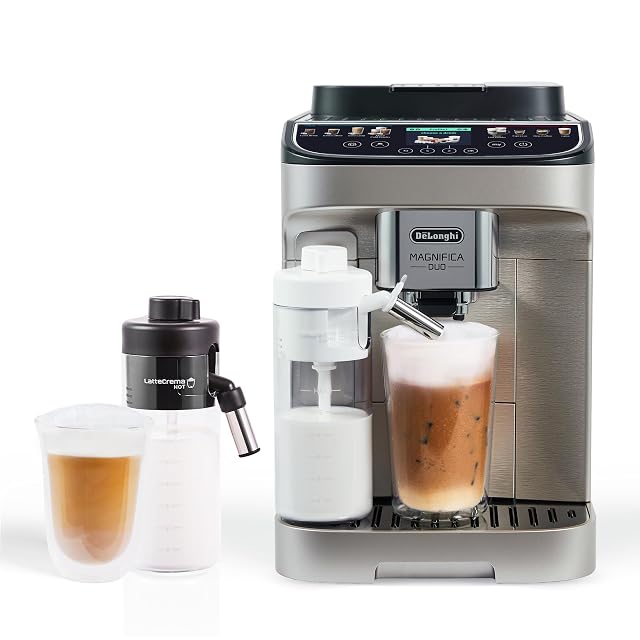
The range is confusing on purpose, and it helps to know the map. Magnifica is the super-automatic workhorse. Dedica is the slim entry portafilter machine with pressurized baskets. La Specialista is the serious all-in-one with a real grinder and active temperature control. Prices within each line vary mostly by milk system, not by coffee quality.