Limescale is the leading cause of death for home coffee machines, and it is entirely preventable. The problem is that it gives no warning: the machine heats a little more slowly, flow drops slightly, temperature stability decays, shots get gradually worse — and then one day it stops.
Find out what your water is like first
Your water utility publishes hardness by postcode, usually in °dH, °fH or ppm. This takes two minutes and determines everything else.
- Above ~150 ppm (8.4 °dH) — hard. Scale is a genuine threat; filter and descale on schedule.
- 50 to 150 ppm — medium. Descale on the machine’s prompt and you will be fine.
- Below ~50 ppm — soft. Scale is not your problem; flat, hollow-tasting coffee might be, because extraction needs minerals.
How to descale
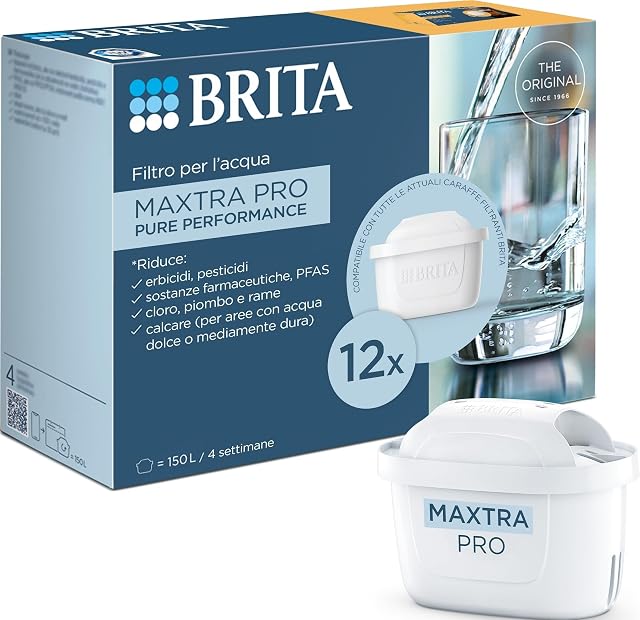
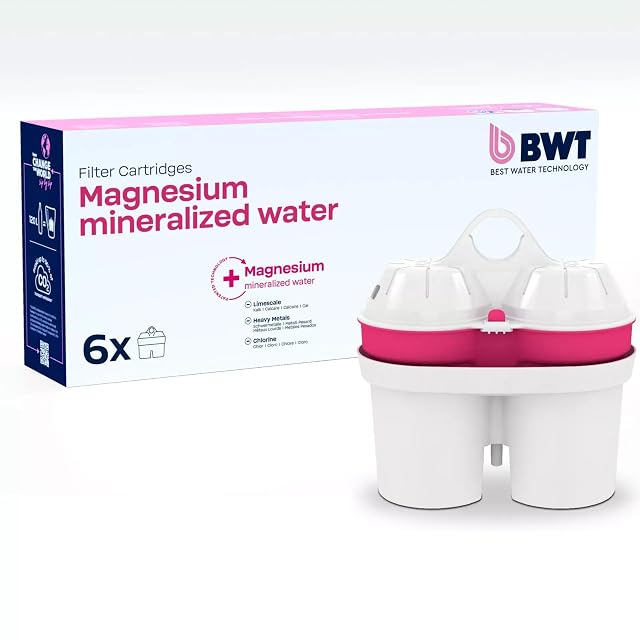
- Empty everything — water tank, drip tray, and any in-tank filter cartridge, which must come out or the descaler destroys it.
- Mix the descaler to the dose on the packet, in the tank. Citric-acid descalers such as Dezcal are the right tool; they dissolve scale fast and rinse clean.
- Run it through in stages, following the machine’s cycle if it has one. Do not run the whole tank at once — let solution sit in the boiler for a few minutes between runs.
- Rinse thoroughly. Two full tanks of clean water minimum, through every outlet including the steam wand and the hot-water tap.
- Refit the filter and make one coffee you are prepared to throw away.
Why not vinegar
It works and it is the wrong tool. It dissolves scale much more slowly, it leaves a smell in the boiler that takes many flushes to shift, and over repeated use its acidity can attack seals and aluminium parts. A tub of proper descaler costs about the price of two coffees out.
The other half: coffee oils
Descaling handles minerals from the water. It does nothing about coffee oils, which build up in the group and turn rancid. On a machine with a three-way solenoid, that is what backflushing with a cleaning tablet is for — weekly to monthly, and it takes two minutes.
Questions people actually ask
Can I use vinegar instead of a proper descaler?
You can, and it works slowly and leaves a smell in the boiler that takes many flushes to clear. Citric-acid descalers dissolve scale considerably faster and rinse clean. Vinegar is also acidic enough to attack some seals and aluminium components over repeated use.
How often should I descale?
On the machine schedule if it has one — they count litres, which is the right measure. Without a prompt: monthly on hard water, every three months on medium, every six on soft. Filtering the water lengthens all of those substantially without removing the need.
Does a water filter mean I never have to descale?
No, and believing that is how filtered machines still die. A jug filter reduces carbonate hardness substantially but not to zero, so scale still forms — just far more slowly.
Last reviewed 8 August 2026